
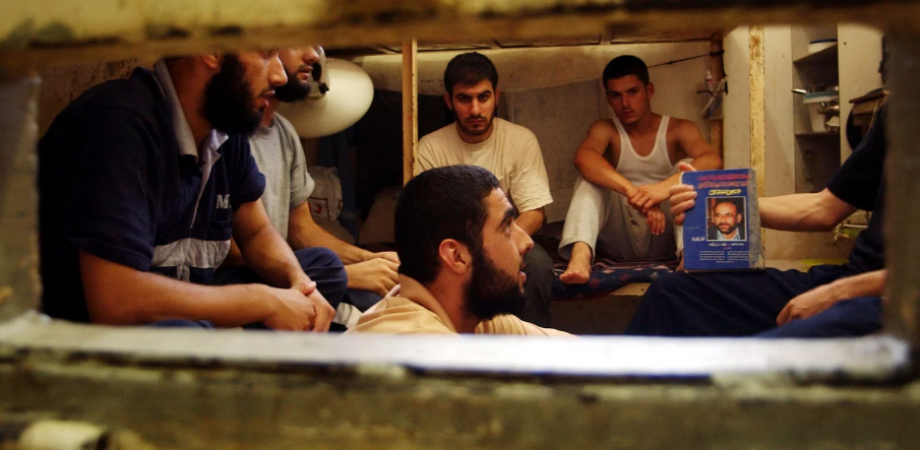
SAFA — Nearly 9,400 Palestinian prisoners face another winter in Israeli prisons without adequate clothing, blankets, mattresses, or heating, as Israeli authorities continue to impose severe restrictions on basic necessities amid deteriorating detention conditions, raising serious concerns about the health and safety of thousands of detainees, particularly children, women, the elderly, and those suffering from illness or injuries.
The Palestine Center for Prisoners Studies warned Thursday that the approaching winter threatens to deepen the suffering of Palestinian prisoners who have endured more than three years of deprivation, overcrowded detention conditions, inadequate food, and restricted access to medical care.
Riyad al-Ashqar, director of the center, said Israeli prison authorities have prevented prisoners from obtaining additional clothing and blankets since October 7, 2023, while suspending family visits and restricting access to prison commissaries, which previously allowed detainees to purchase essential personal supplies.
According to al-Ashqar, Israeli authorities have also prevented international humanitarian organizations, including the International Committee of the Red Cross, from delivering winter clothing and blankets to prisoners.
He said prison administrations have confiscated detainees' personal belongings, including clothing and bedding, and routinely remove mattresses and remaining blankets from cells during daytime hours, leaving prisoners exposed to increasingly harsh conditions.
Prisoners Exposed to Cold, Disease, and Medical Neglect
The center warned that the prolonged deprivation of clothing and bedding has created serious health risks, particularly as prisoners are forced to wear the same clothes and use the same blankets for extended periods without adequate opportunities to wash or replace them.
Al-Ashqar said these conditions have contributed to the spread of skin diseases, particularly scabies, while shortages of medical treatment and essential hygiene supplies have made it increasingly difficult for prisoners to recover.
The situation is especially concerning in the Naqab, Ramon, and Nafha prisons, which are located in desert areas where temperatures can fall sharply during winter nights.
According to the center, some detention sections consist of tents that provide little protection against freezing temperatures and heavy rainfall, allowing water to enter sleeping areas and soak prisoners' clothes, mattresses, and personal belongings.
The harsh conditions are not limited to permanent prisons. Palestinians held in interrogation and temporary detention facilities also face shortages of winter clothing, blankets, hot water, and heating.
Al-Ashqar explained that detainees frequently arrive at these facilities wearing only the clothes they had on when arrested, without being permitted to bring additional garments or personal necessities.
When they are subsequently transferred to prisons, many remain without adequate clothing or bedding, leaving them increasingly vulnerable as temperatures decline.
Gaza Detainees Face Particularly Dangerous Conditions
The Palestine Center for Prisoners Studies expressed particular concern about approximately 2,000 Palestinians from the Gaza Strip who remain in Israeli detention, according to its estimates, warning that they face especially harsh conditions and severe restrictions on contact with the outside world.
The center cited testimonies from recently released Gaza detainees describing detention facilities where prisoners received only thin, dirty blankets and worn-out mattresses, alongside insufficient and poor-quality food.
Some detainees suffering from medical conditions were also denied food appropriate to their health needs, according to the testimonies.
Al-Ashqar said the center had received accounts of prisoners being forced into outdoor prison yards during cold weather while wearing lightweight clothing, with their hands restrained and their bodies exposed to rain.
In some incidents, detainees were reportedly ordered to sit for hours on rain-soaked ground, exposing them to cold and damp conditions without adequate protection.
The center warned that continued deprivation of winter clothing, blankets, and mattresses, combined with restrictions on family visits and outside monitoring, could place detainees' lives at greater risk as winter approaches.
The isolation of Gaza prisoners has intensified concerns about their treatment, particularly as families struggle to obtain reliable information about their relatives' health and detention conditions.
Children, Women, and Sick Prisoners at Greater Risk
Al-Ashqar warned that Palestinian children, women, elderly detainees, and prisoners suffering from chronic illnesses or injuries are particularly vulnerable to the effects of cold temperatures and inadequate living conditions.
The combination of insufficient nutrition, limited medical care, poor hygiene, and a lack of warm clothing can worsen existing illnesses and increase the risk of serious health complications, especially among detainees whose physical condition has already deteriorated during imprisonment.
The center stressed that prisoners suffering from injuries or chronic diseases require appropriate medical treatment, sufficient nutrition, and suitable living conditions, warning that continued deprivation could further endanger their health.
It also highlighted the cumulative impact of the restrictions imposed since October 2023, which have left detainees without reliable access to many of the basic supplies previously available through family visits, humanitarian organizations, and prison commissaries.
Urgent Appeal for International Intervention
The Palestine Center for Prisoners Studies called on international humanitarian and human rights organizations to intervene urgently to protect Palestinian prisoners before winter conditions deteriorate further.
It urged immediate pressure on Israeli authorities to allow the delivery of winter clothing, blankets, mattresses, and essential hygiene supplies, alongside the provision of adequate heating and medical treatment.
The center also emphasized the need to restore humanitarian access to detention facilities and ensure that prisoners, particularly the sick and injured, receive the care necessary to protect their health.
With approximately 9,400 Palestinians held in Israeli prisons and detention facilities, the center warned that another winter without basic protection from the cold could deepen an already severe humanitarian emergency behind prison walls.
For thousands of Palestinian prisoners, the approaching winter brings not only freezing temperatures but the prospect of enduring another season without the clothing, bedding, medical care, and basic necessities required to preserve their health and dignity.
Source : Safa News


