
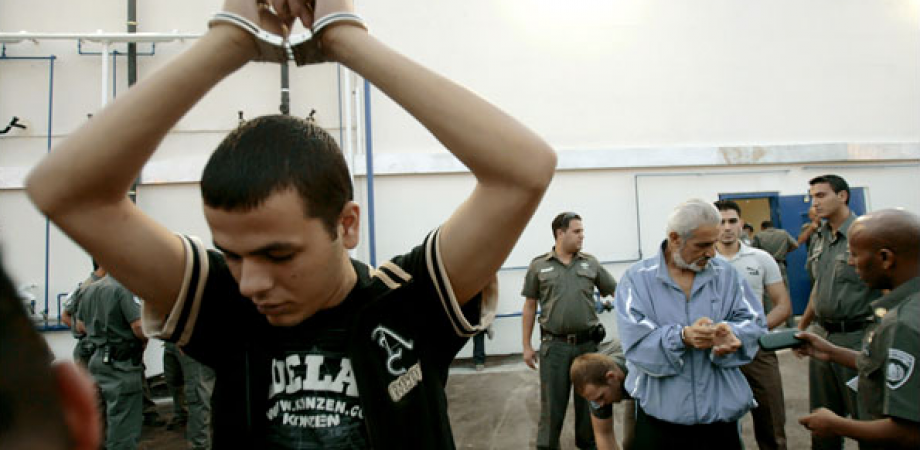
SAFA — Nearly 9,400 Palestinian prisoners held in Israeli detention facilities face mounting health risks as winter approaches, with Israeli prison authorities continuing to deprive detainees of warm clothing, blankets, adequate bedding, and heating for the third consecutive winter, according to a Palestinian prisoners' rights organization.
In a statement issued Thursday, the Palestine Center for Prisoners Studies warned that restrictions imposed by the Israel Prison Service since October 7, 2023, have left thousands of Palestinian detainees exposed to increasingly dangerous conditions, particularly as temperatures begin to fall.
Riyad al-Ashqar, the center's director, said prisoners are experiencing severe shortages of essential winter supplies because Israeli authorities continue to suspend family visits, restrict access to prison commissaries, and prevent international humanitarian organizations, including the International Committee of the Red Cross (ICRC), from delivering blankets and clothing.
According to al-Ashqar, these restrictions have deprived detainees of basic protection against the cold while worsening already deteriorating health and hygiene conditions inside Israeli prisons.
The center reported that prison authorities have confiscated prisoners' personal belongings and routinely removed mattresses and blankets from cells for extended periods during the day, leaving detainees without adequate bedding or protection from low temperatures.
It warned that the lack of clean clothing, washing facilities, and disinfection supplies has contributed to the spread of skin diseases, particularly scabies, as prisoners are forced to wear the same clothes for prolonged periods without being able to wash or replace them.
Conditions are especially severe in desert detention facilities, including Ketziot (Naqab), Ramon, and Nafha prisons, where winter temperatures can drop sharply and some detention sections consist of deteriorating tents that provide little protection against rain and cold.
The center said rainwater frequently leaks into these sections, soaking the limited mattresses and blankets available to prisoners and leaving them exposed to cold, damp conditions that further threaten their health.
Newly detained Palestinians held in interrogation and transit facilities face additional hardship, with many transferred between detention centers wearing only light clothing and denied access to blankets, hot water, or adequate heating.
The organization also highlighted the conditions of approximately 2,000 Palestinian detainees from the Gaza Strip, whom it said are being held in particularly harsh circumstances at Ofer and Ketziot prisons, as well as facilities including Sde Teiman and the Rakevet detention section.
According to the center, these detainees are subjected to conditions that lack even the most basic necessities, leaving them especially vulnerable to illness, exposure, and deteriorating physical health.
Testimonies collected from recently released Palestinian prisoners described receiving only dirty blankets and worn-out mattresses, while others reported being handcuffed and forced to remain for hours in rain-soaked prison yards despite wearing inadequate clothing.
The center said such practices expose detainees to additional physical suffering and psychological pressure, particularly during periods of severe cold.
The Palestine Center for Prisoners Studies called on international humanitarian organizations and human rights institutions to intervene urgently to protect Palestinian prisoners from worsening winter conditions.
It urged international pressure on Israeli authorities to provide sufficient blankets, warm clothing, mattresses, and heating equipment, while allowing medical personnel and ICRC representatives to enter detention facilities and independently assess prisoners' health and living conditions.
The organization warned that without immediate intervention, continued deprivation of basic winter necessities could lead to further deterioration in prisoners' health as temperatures fall, placing thousands of Palestinian detainees at growing risk of serious illness and other complications.
Source : Safa News


