
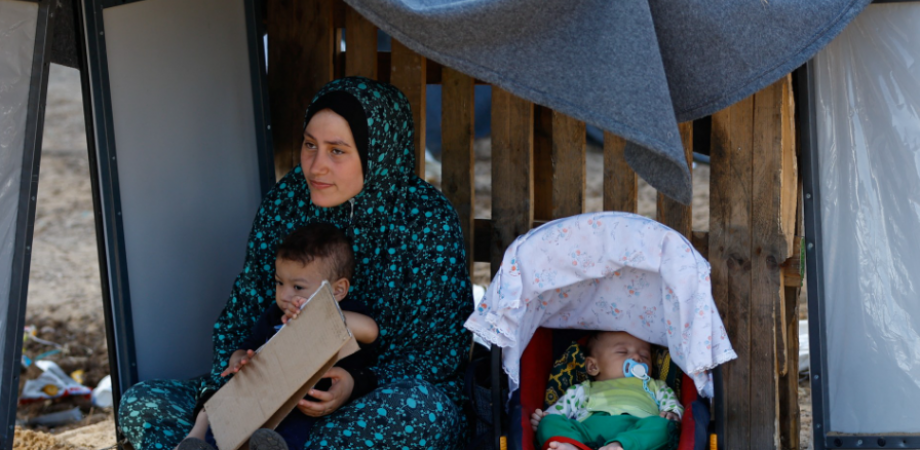
On the upper floor of a shattered building in Khan Younis, a family has pitched a tent where walls once stood. Wind cuts through exposed concrete, rain seeps through torn fabric, and the night is punctuated by the crack of gunfire. Yet the family considers the spot a grim advantage: it sits high enough to avoid the floods that swallow camps at ground level after every storm.
When a ceasefire took effect last autumn, the head of the household returned to find his home scarred but still upright. The upper storeys were too unstable to risk, so he secured a tent on a lower level that remained standing. The decision was driven less by safety than by necessity. With entire neighbourhoods flattened, elevation offered the only defence against rainwater that has turned streets and camps into sludge.
Cold has become another adversary. With surrounding buildings reduced to rubble, there is no shelter from the wind, and winter has arrived early and hard. Families speak of nights spent awake, bracing tent poles as gusts tear through the ruins. Children shiver, the elderly struggle to breathe, and the fear of sudden collapse hangs over every cracked beam. Despite this, many choose damaged homes over camps, believing stone, even broken, offers more dignity than mud.
Across Gaza, successive storms have ripped through displacement sites, sweeping away tens of thousands of tents and leaving hundreds of thousands exposed. Collapsing structures have claimed lives, while hospitals and shelters have been flooded, compounding shortages and exhaustion. This misery deepens under a genocidal war that has choked the flow of shelter materials and basic supplies promised under humanitarian arrangements. As rain continues to fall, families are left to calculate survival choices alone, with little faith that help will arrive before winter takes a heavier toll.
Source : Safa News


