
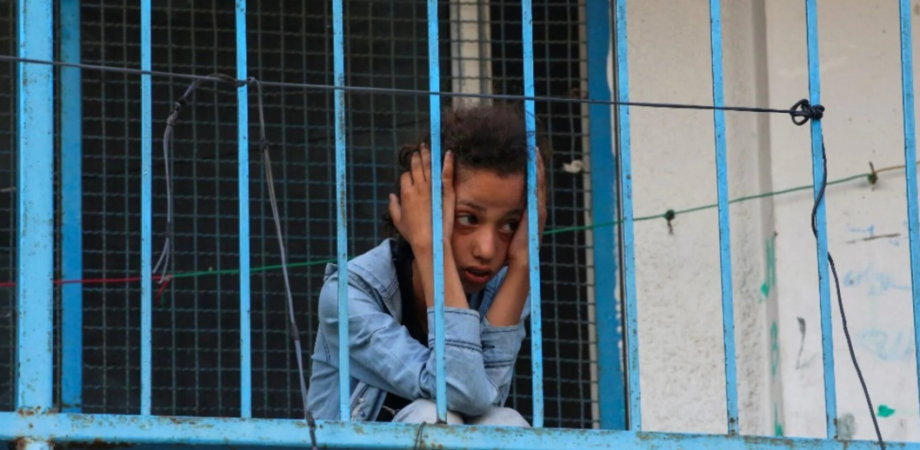
As the genocidal war on Gaza drew to a halt, tentative efforts began to revive an education system left in ruins. After months of near-total paralysis caused by the destruction of schools, universities, and basic services, limited learning has resumed in shelters and improvised classrooms. The return comes against a backdrop of overwhelming human loss and physical devastation, as educators attempt to salvage an academic year and shield an entire generation from permanent educational collapse.
Hundreds of thousands of students have gradually re-engaged with schooling, though only a fraction are able to attend lessons in person. Many now study inside temporary learning centres set up in shelters, while the majority rely on online platforms despite erratic electricity and internet access. These emergency arrangements aim to limit the profound academic and psychological damage inflicted on children and young adults, even as resources remain critically scarce and instruction incomplete.
Education officials say the scale of destruction has made a full recovery impossible in the short term. Most school buildings have been damaged or destroyed, teachers have been killed or displaced, and basic infrastructure remains unstable. Learning under such conditions is fragmented, but for families and students it represents a vital step towards reclaiming normalcy and protecting future prospects amid the aftermath of a genocidal war.
Officials responsible for public information described the education sector as having been systematically dismantled. In-person schooling was almost entirely erased for extended periods, depriving more than three-quarters of a million students of their most fundamental right. Hundreds of schools were levelled or rendered unusable, and the vast majority now require extensive rebuilding before they can function again. The loss extended beyond buildings, with the killing of educators, academics, and thousands of students leaving a lasting scar on Gaza’s intellectual and social fabric.
The toll on secondary education has been particularly severe. Examinations were conducted under extraordinary conditions, often electronically and with repeated delays, as authorities sought to prevent tens of thousands of students from losing their academic future entirely. Thousands of pupils who should have been preparing for final exams were killed, while survivors now face long-term learning gaps that experts say will take years to address.
Despite these obstacles, education authorities have pressed ahead with recovery plans. Temporary learning points have been expanded, virtual schooling maintained, and partnerships established to provide prefabricated classrooms until permanent reconstruction becomes possible. Officials say the aim is to stabilise the system by mid-year and gradually return students to a unified academic track, including those whose studies were disrupted over multiple cohorts.
Universities have also begun preparing for a cautious reopening, with tens of thousands of graduates expected to drive the revival of higher education. Blended learning models have been introduced to compensate for damaged campuses, destroyed laboratories, and the loss of Gaza’s only university hospital. Practical fields such as nursing are being prioritised, while coordination continues to ensure academic recognition and continuity for students studying remotely.
International relief agencies have played a central role in the partial restoration of education. Hundreds of thousands of refugee students have returned to learning through a mix of in-person instruction in shelters and distance education overseen by thousands of teachers. Alongside schooling, basic health services have also resumed in several areas, reflecting the interdependence of education, healthcare, and community resilience.
For educators and families alike, the return to classrooms, however fragile, symbolises an act of survival. While the damage inflicted on Gaza’s education system is profound and enduring, these efforts represent a refusal to allow destruction to define the future of its children.
Source : Safa News


