
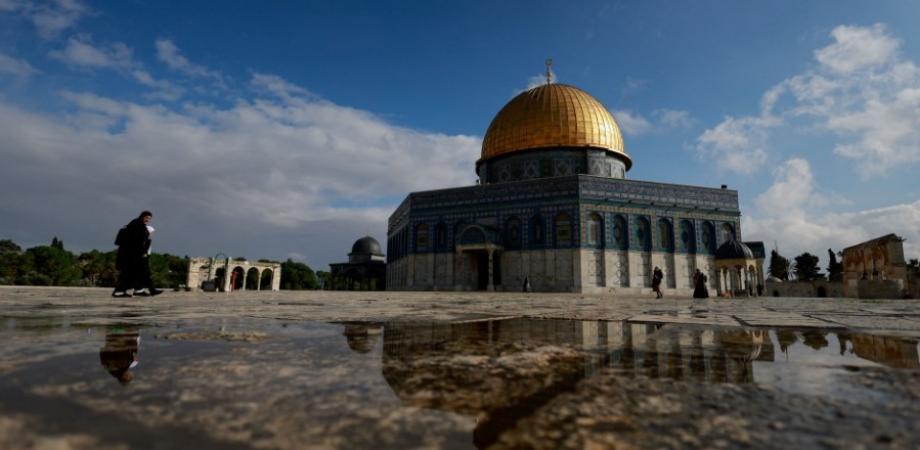
As Ramadan approaches, Jerusalem is experiencing a sharp tightening of control around Al-Aqsa Mosque, with measures that many see as aimed at reshaping access to one of Islam’s holiest sites. Longstanding community figures warn that what is unfolding goes far beyond routine security arrangements, pointing instead to a systematic effort to marginalise influential worshippers and alter long-standing arrangements at the compound. The atmosphere in and around the Old City has become increasingly tense, marked by heightened policing and a visible military presence that restricts movement and prayer.
Those affected describe a pattern of exclusions that quietly but effectively thins the presence of regular worshippers. Activists, religious leaders and well-known figures who have historically mobilised people to attend prayers have been subjected to varying entry bans, some lasting weeks, others imposed collectively without formal notice. These measures, applied on a large scale, are widely viewed as a means of emptying the mosque of its protective social presence while avoiding public scrutiny or legal challenge.
At the same time, access routes to the Old City have been repeatedly sealed, with checkpoints and closures limiting who can reach Al-Aqsa, particularly during peak prayer times. Observers note a steady rise in organised entries by settler groups under heavy protection, a trend that has accelerated markedly compared with the same period last year. This shift has fuelled fears that the current moment is being used to impose irreversible changes under the cover of the wider genocidal war that has engulfed the region.
Community voices stress that the issue is not prayer itself, but the presence of people who defend the mosque through numbers, continuity and visibility. By weakening the role of religious custodians and sidelining established administrative bodies, effective control has increasingly shifted to security forces and ideological groups seeking to assert dominance over the site. The concern is that Ramadan, traditionally a time of mass worship and unity, is being pre-emptively curtailed to prevent collective resistance to these changes.
Despite the restrictions, calls are growing for people to maintain a presence, even if barred from entering the compound itself. Praying in surrounding streets and remaining visible in Jerusalem are seen as acts of steadfastness, sending a message that Al-Aqsa cannot be quietly isolated. Many argue that sustained public presence during Ramadan has, in the past, disrupted attempts to impose new realities, and could do so again.
These developments unfold against a broader backdrop in which movement from the West Bank into Jerusalem has been severely curtailed since the start of the genocidal war on Gaza. For Palestinians, Jerusalem remains the heart of their political and spiritual life, a status they continue to assert despite competing claims and intensifying pressure on the ground.
Source : Safa News