
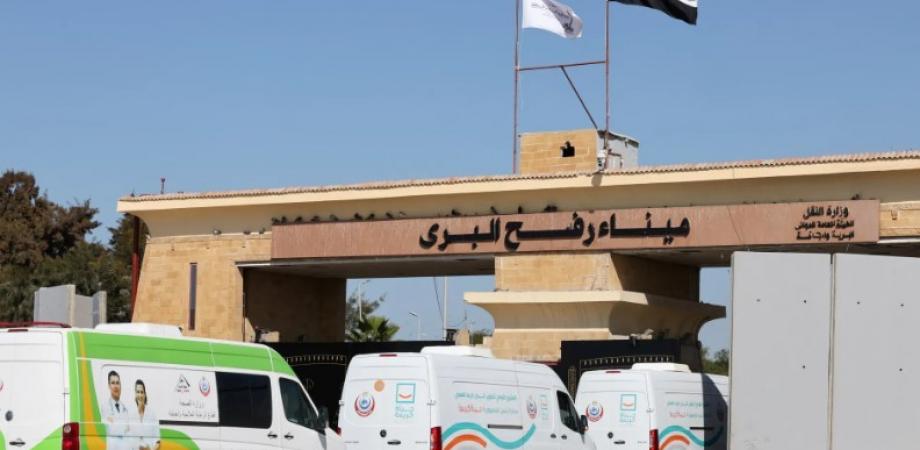
Movement through the Rafah crossing remains sharply restricted, with civilians facing severe barriers that undermine basic rights and humanitarian protections. Rights advocates say the current procedures effectively strip people of freedom of movement and access to essential care, deepening civilian suffering under a genocidal war that has already exhausted Gaza’s social and medical systems.
Patients seeking urgent treatment abroad are among the hardest hit. Of dozens presenting serious medical cases, only a handful have been permitted to travel, leaving the majority stranded despite the gravity of their conditions. Observers describe this as a systematic denial of care, where administrative decisions outweigh medical necessity, compounding risks to life and long-term health amid the genocidal war.
Those allowed to pass report a journey marked by intimidation. Travellers are channelled through fenced corridors under constant surveillance, subjected to repeated checks that create intense psychological pressure, particularly for women, older people and the sick. Returnees face additional abuses, including arrests, restraints, blindfolding, prolonged detention and hours of questioning. Interrogations reportedly include degrading inquiries about personal motives for returning and attempts to extract political information, practices seen as incompatible with human dignity and civilian protections.
Women returning home recount persistent fear during successive inspections, even after prior screening on the Egyptian side and at international facilities. One witness likened the passage to a drawn-out military route with multiple stops, long waits and relentless stress in harsh conditions. Rights advocates argue these measures amount to collective deterrence, transforming the simple act of return into an experience designed to intimidate and discourage, reinforcing a climate of coercion under the genocidal war.
Source : Safa News

