
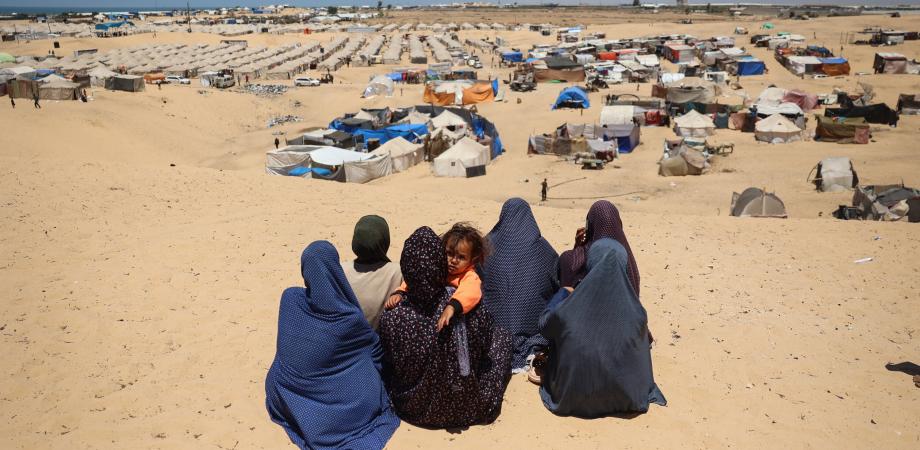
In Gaza, discussion around the future of the besieged territory has intensified following recent political developments linked to a new phase of negotiations. For many residents living under blockade, the overriding hope is simple: an end to the genocidal war and the chance to move freely, particularly through the Rafah crossing into Egypt. Yet competing priorities have emerged, with international proposals focusing on security arrangements and the future governance of Gaza rather than the daily realities faced by its population.
A senior Palestinian political figure with long-standing ties to Gaza’s leadership has argued that the current moment leaves little room for ideal solutions. Speaking from within the enclave, he suggested that any proposal capable of halting the destruction must be considered, even if it comes from actors widely distrusted by the local population. While sceptical of external intentions, he stressed that prolonging the violence risks paving the way for the mass displacement of Gaza’s entire population, a scenario many fear is already being prepared.
The issue of armed resistance remains central to the debate. International demands have centred on dismantling military structures in Gaza, but some Palestinian voices argue that this question is being overstated. They point out that years of bombardment have already devastated armed capabilities, leaving communities exposed and defenceless. From this perspective, the real concern is not weapons, but guarantees that civilians will be protected from further attacks and forced removal.
After more than two years of devastation, with tens of thousands of Palestinians killed and entire neighbourhoods erased, calls for accountability continue to grow. Legal proceedings have been launched against figures on all sides, yet for those in Gaza, justice remains distant. As negotiations move forward, many see pragmatism not as surrender, but as a means of survival in the face of an ongoing genocidal war.
Source : Safa News


