
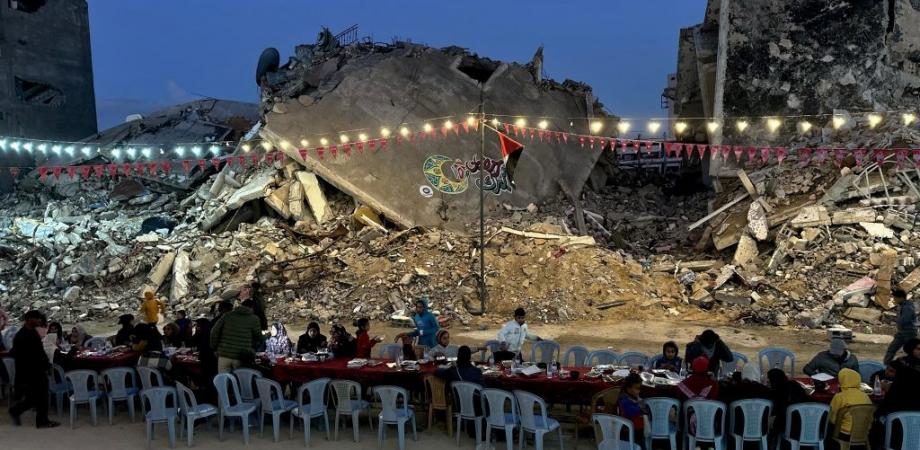
As the crescent of Ramadan rises, households across Gaza mark the month with chairs left empty and names left unspoken. For thousands of families, the rituals of togetherness now sharpen a quieter anguish: loved ones who vanished during the genocidal war and have never been accounted for. The season that should gather relatives around shared meals instead exposes a long, unresolved absence that time has not softened.
Community advocates say the scale of disappearance has become a defining wound. Many of those missing are thought to lie beneath collapsed homes in areas still beyond reach; others are believed to be held as prisoners within detention systems, their locations and conditions undisclosed. The silence surrounding their fate has created a cruel limbo, one that denies families the most basic certainty, whether to grieve, to hope, or simply to know.
The month’s social rhythms intensify the psychological toll. Without confirmation, families cannot perform last rites, seek accountability, or even speak the truth aloud. What persists is a daily negotiation with uncertainty, compounded by the knowledge that the right to information is protected under international law yet remains unmet. Calls have grown for transparent disclosure, access to devastated sites for recovery efforts, and the use of identification methods to return names to the nameless. Until answers arrive, Ramadan passes not as a pause from pain, but as a measure of how deeply it has settled.
Source : Safa News