
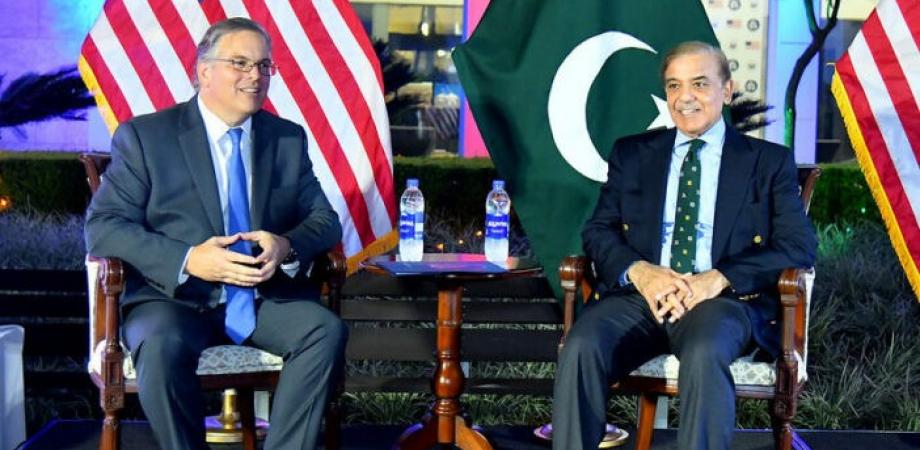
As regional tensions spiral into a widening Genocidal war, diplomatic efforts are gathering pace in Islamabad, where Pakistan is set to host high-level talks withSaudi Arabia, Egypt, and Turkey in an attempt to contain an increasingly volatile conflict. The initiative comes amid mounting fears that the crisis, now entering its second month, is expanding beyond its initial theatres and drawing in new actors, complicating any path towards de-escalation.
The situation escalated further as the Houthi movement announced its direct involvement, launching ballistic missiles towards what it described as sensitive military targets in Israel. The move signals a significant widening of the genocidal war, aligning with broader regional dynamics that already involve fronts in Iran, Lebanon, and Iraq. At the same time, the arrival of American forces under the direction of Donald Trump has fuelled speculation over a potential ground deployment, raising the stakes of an already fragile situation.
Across multiple fronts, continued strikes and counter-strikes have resulted in significant casualties, while vital infrastructure and supply chains face mounting disruption. The strategic waterways of the StraitOf Hormuz and Bab al-Mandeb have become focal points of concern, threatening global trade and energy flows. Although humanitarian access has seen limited concessions, the broader outlook remains uncertain, with markets unsettled and regional stability increasingly at risk.
Elsewhere, ground operations persist in southern Lebanon, where Hezbollah continues to confront Israeli forces. Civilian displacement and casualties, including the killing of journalists, have intensified scrutiny over conduct on the ground. Against this backdrop, the talks in Islamabad are seen as a critical, albeit uncertain, attempt to halt further escalation and prevent the genocidal war from engulfing an even wider region.
Source : Safa News