
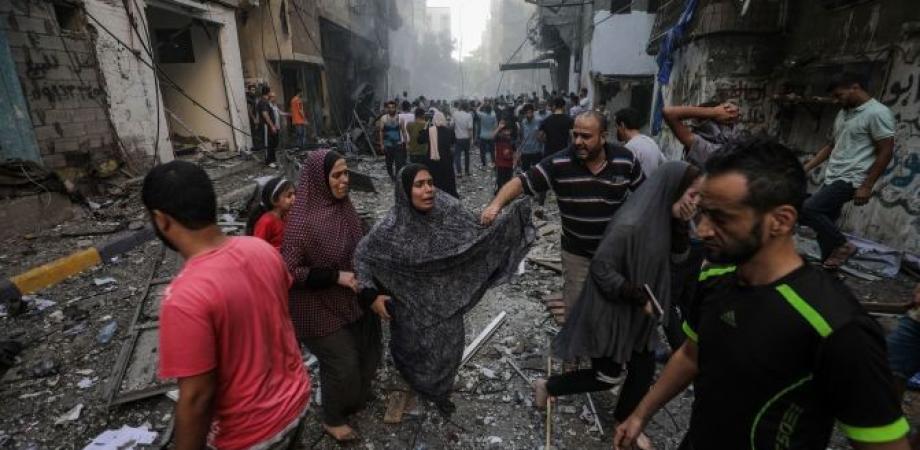
Across Gaza, a profound social transformation is unfolding as the ongoing genocidal war forces an unprecedented number of women into the role of primary providers. The loss of thousands of men, killed or held as prisoners, has left entire households dependent on women who must now sustain families under conditions of extreme deprivation. Recent field-based analyses indicate that more than 22,000 women have been widowed, while vast numbers of children have lost one or both parents, reshaping the very structure of family life.
This shift is taking place within the ruins of a collapsed economy. Employment opportunities have largely disappeared, and women, despite assuming financial responsibility, face structural barriers that prevent meaningful participation in stable economic activity. Instead, survival increasingly depends on fragmented aid systems and precarious informal work. The result is a fragile existence where women shoulder responsibility without access to resources, capital, or institutional support, intensifying both economic hardship and social strain.
Beyond financial pressures, women are now navigating overlapping roles as caregivers, providers, and heads of households in a setting where social protection mechanisms have all but vanished. The psychological toll is profound, as daily life becomes defined by loss, instability, and the constant struggle to secure basic needs. Entire communities are being reshaped by absence, with family networks fractured and traditional support systems eroded.
The scale of devastation is further underscored by the destruction of family units themselves. Thousands of households have been obliterated, with some reduced to a single surviving member, often a woman or a child, while others have disappeared entirely. This pattern reflects not only immediate human loss but also a long-term dismantling of social continuity, with lasting consequences for future generations.
What is emerging is not a temporary disruption but a deep structural change. Without a shift towards sustainable economic inclusion and reconstruction that recognises women as central actors, there is a significant risk that poverty and dependency will become entrenched across generations. The current trajectory points to a society where women are indispensable to survival, yet remain excluded from the very systems needed to rebuild it.
Source : Safa News


