
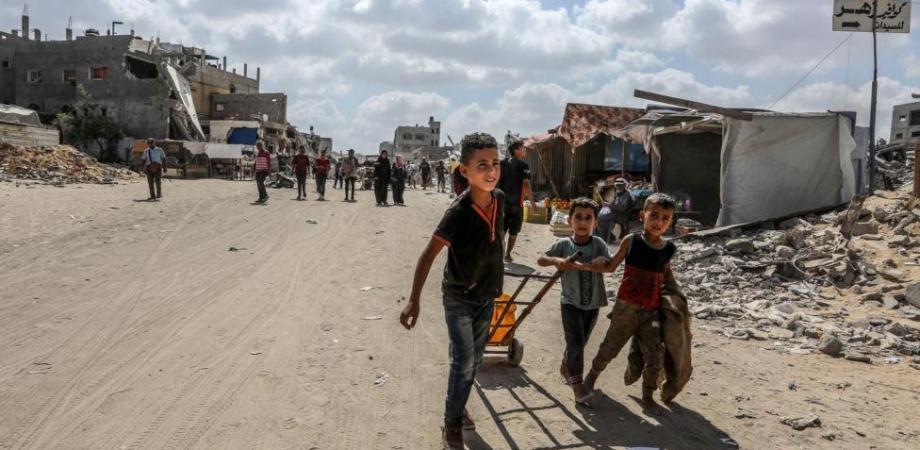
A recent analytical paper by the Palestinian Center for Political Studies highlights a significant social and economic transformation in the Gaza Strip, where the genocidal war has contributed to a sharp rise in female-headed households and placed increasing financial responsibility on women within an already collapsed economy.
The study estimates that more than 22,000 women have been widowed since the escalation of violence in October 2023, alongside tens of thousands of children who have lost one parent. This shift, it notes, is not merely demographic but reflects a deeper restructuring of family and social organisation under conditions of sustained economic breakdown and widespread loss of life.
According to the analysis, the labour market in Gaza has effectively disintegrated, with women increasingly pushed into roles as primary providers in the absence of stable employment opportunities or functioning production systems. Many households now depend on irregular humanitarian assistance or informal forms of income generation, which remain highly unstable and insufficient to meet basic needs.
The study also points to what it describes as a “reproduction of social poverty”, arguing that the current conditions risk embedding long-term economic vulnerability across generations unless structural reconstruction and sustainable employment strategies are introduced. It stresses that female breadwinners are increasingly bearing combined responsibilities of income generation and full-time caregiving, often without any formal social protection mechanisms.
Field data cited in the report indicates the scale of family fragmentation, including thousands of cases in which entire households have been lost, leaving only a single surviving member, often a woman or child. In other instances, families have been fully erased from civil records, reflecting the extent of destruction affecting civilian life during the ongoing genocidal war.
The Ministry of Women’s Affairs has similarly reported that large numbers of women have become sole providers due to the killing or detention of male relatives, further underscoring the scale of socio-economic disruption affecting household structures across the territory.
Source : Safa News


