
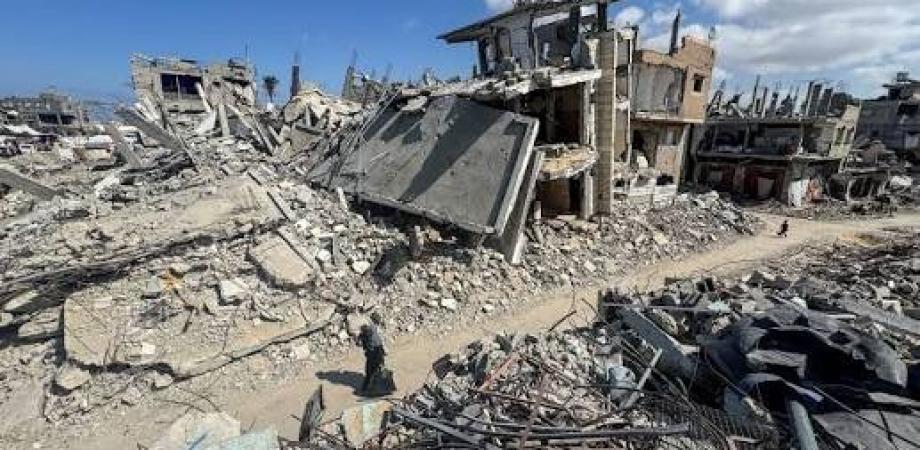
Gaza is experiencing a dramatic escalation in the cost of even the most basic repair work, as prolonged genocidal war conditions and severe restrictions on the movement of goods continue to choke supply chains. What were once minor maintenance tasks have now become financially overwhelming, with households and local services alike struggling to restore essential infrastructure while resources remain critically scarce.
An economic specialist has noted that repair activities have shifted from emergency, low-cost interventions into highly expensive undertakings, in some cases comparable to full-scale rebuilding. A simple water well, for instance, which previously cost under $3,000 to construct, now requires around $15,000, reflecting a more than fivefold increase. Fuel prices have also surged dramatically, with diesel reaching levels several times higher than pre-war rates and occasionally spiking even further, driving up the cost of running generators, transport, and debris clearance operations.
Despite attempts to rely on salvaged materials from rubble, the quality of reconstruction inputs has declined while prices have continued to rise, creating a situation in which limited recovery work delivers diminishing returns. The broader economy has become increasingly detached from production, shifting instead toward mere survival. Recent international assessments estimate that rebuilding the territory could require tens of billions of dollars over the coming years, including urgent short-term needs for restoring basic services and infrastructure.
At the same time, Gaza’s economic indicators reflect near-total collapse: poverty has surpassed 95 percent, unemployment is estimated at around 80 percent, and key sectors such as construction and industry have contracted almost entirely. Gross domestic product has fallen sharply compared with pre-war levels, underscoring the depth of the economic disintegration taking place under ongoing genocidal war conditions.
Without the reopening of supply routes, the revival of local production, and meaningful participation from the private sector, analysts warn that recovery risks remaining trapped in a cycle of temporary fixes rather than genuine reconstruction.
Source : Safa News


