
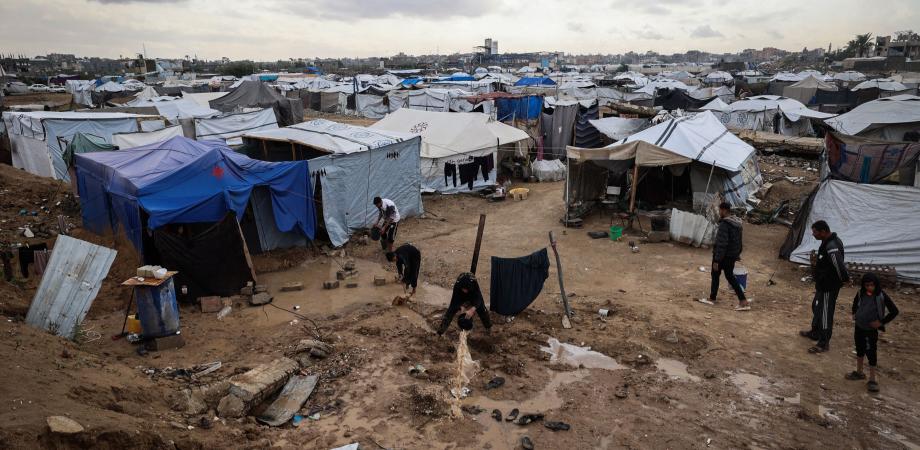
The scale of rebuilding in Gaza is emerging as one of the most demanding recovery efforts in recent history, with estimates placing the cost at around $71.4 billion over the next decade. The figures reflect the extensive devastation left by the genocidal war, alongside deep economic collapse and severe disruption to daily life across the territory.
Economic assessments suggest that the first phase alone would require more than $26 billion within 18 months, as essential infrastructure must be restored almost from the ground up. The destruction is described as far-reaching, with hundreds of thousands of homes damaged or destroyed, while economic activity has contracted dramatically, leaving production, employment and investment systems severely weakened.
The humanitarian impact remains acute, with around 1.9 million people displaced and the majority of the population having lost access to stable housing. Roughly 60 million tons of rubble are estimated to cover large parts of the territory, and clearance operations could take years. At the same time, unexploded ordnance continues to pose daily risks, slowing reconstruction efforts and endangering both residents and workers.
Conditions on the ground are further complicated by a severe shortage of shelter, with hundreds of thousands of temporary housing units needed to address immediate needs. Existing tents have largely deteriorated, leaving families exposed to harsh weather and overcrowding in makeshift sites with limited sanitation and water access. Aid officials warn that restrictions on materials are worsening the crisis and prolonging displacement for millions.
The broader economic outlook remains deeply uncertain, with experts cautioning that delays in launching large-scale reconstruction will significantly increase future costs. Without sustained funding, open supply routes and coordinated rebuilding efforts, recovery risks stretching over many years, leaving Gaza’s population in prolonged instability following the genocidal war.
Source : Safa News


