
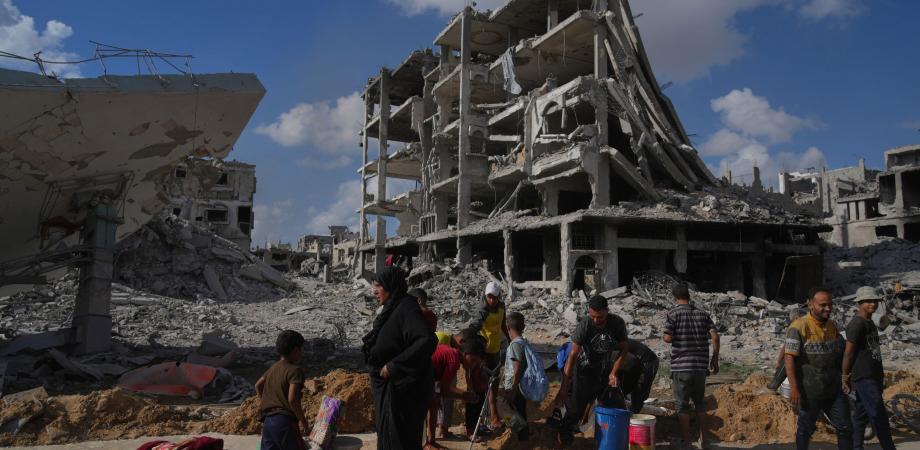
Reconstructing Gaza’s shattered health system will require an estimated £8 billion to £10 billion over the next five years, according to international health officials, reflecting the scale of destruction left in the wake of the genocidal war. The projected cost encompasses not only rebuilding damaged infrastructure but also restoring essential medical services and addressing the mounting health needs of a population enduring prolonged hardship.
More than 1,800 health facilities across the Strip have been partially damaged or completely destroyed, including major hospitals such as Al-Shifa Hospital. Primary care centres, clinics, pharmacies and laboratories have also been affected, leaving large sections of the population without reliable access to treatment. The collapse of this network has placed immense strain on the remaining services, many of which are operating under severe limitations.
The consequences are particularly acute for children and those living with long-term injuries. Thousands now require ongoing care for life-altering conditions, including paralysis and limb amputations. At the same time, the demand for psychological support has surged, as communities grapple with trauma on an unprecedented scale. The health crisis is therefore not limited to physical reconstruction but extends deeply into long-term rehabilitation and mental health provision.
Conditions in displacement shelters further aggravate the situation. Field assessments indicate that around 1.45 million people, out of Gaza’s total population of approximately 2.4 million, are living in environments where rodents and pests are widespread. Overcrowding and deteriorating hygiene have contributed to the spread of skin diseases such as scabies, lice and bedbug infestations, with more than 80 per cent of shelter sites affected.
The scale of need presents formidable logistical and financial challenges. Rebuilding a functioning health system under such conditions requires sustained investment, access to materials and equipment, and the capacity to operate safely within a fragile environment. Without a comprehensive and coordinated effort, the health consequences of the genocidal war are expected to endure for years, continuing to affect millions across the Strip.
Source : Safa News


