
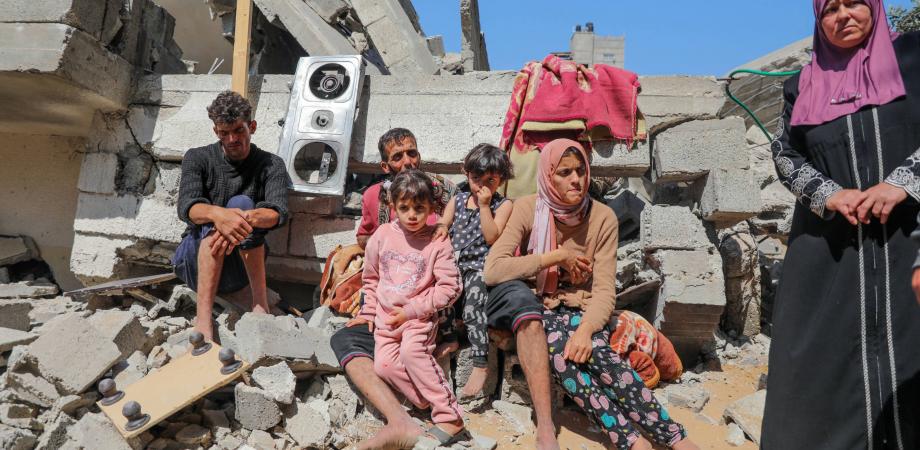
For many women in Gaza, the uncertainty surrounding missing relatives has become a painful reality stretching far beyond the devastation caused by Israel’s genocidal war. Thousands of Palestinians remain unaccounted for after disappearing beneath collapsed buildings, during forced displacement or amid relentless bombardment, leaving families trapped between hope and grief with no clear answers about the fate of their loved ones.
Behind every missing person is a family struggling to navigate daily survival while enduring emotional and legal uncertainty. Wives of missing men describe lives suspended indefinitely, unable to mourn fully yet equally unable to move forward. Many say the absence of official confirmation has left them excluded from financial support systems, inheritance rights and humanitarian assistance, at a time when displacement and poverty continue to deepen across the Strip.
Fatima Youssef said her husband disappeared during the opening days of the war nearly three years ago and has not been seen since. After searching hospitals, aid organisations and prisoner records without success, she says the unanswered questions have taken a severe toll on both her and her children. Living in displacement camps with no stable income, she explained that authorities continue to request official documents proving her husband’s status before any support can be provided.
Attempts to obtain a death certificate have become another source of anguish. Fatima said her husband’s family refused to approve the legal process, insisting they still believe he may be alive. As a result, she remains caught in a legal vacuum, unable to confirm his death or secure the rights normally granted to widows under Palestinian law.
Legal experts in Gaza say the unprecedented scale of disappearances has forced courts to adapt emergency procedures. Lawyer Reval Farawna explained that judicial authorities reduced the waiting period for issuing death certificates for missing persons from four years to six months following the ceasefire. Yet she warned that several people previously declared dead later reappeared alive, creating further legal and social complications for families already living through immense trauma.
Similar fears haunt Shorouq Abdel Karim, whose husband disappeared near the Netzarim corridor in central Gaza. She says she has searched hospitals and contacted released prisoners in the hope of finding information, but without success. Now displaced with her children, she faces daily questions she cannot answer, while struggling to secure even basic necessities in the absence of official documents proving whether her husband is dead or imprisoned.
Source : Safa News


