
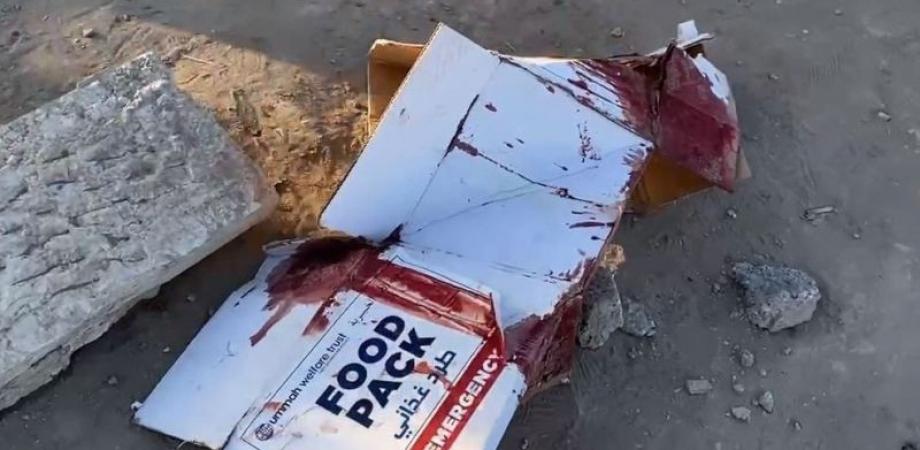
A new statistical analysis has found that Gaza alone accounted for more than 42 percent of all recorded attacks on food supply systems worldwide over the past eight years, highlighting the devastating impact of Israel’s genocidal war on civilian survival infrastructure.
The research examined incidents recorded since the adoption of UN Security Council Resolution 2417 in 2018, which condemned the deliberate starvation of civilians. More than 20,000 cases of what researchers described as “food-related violence” were documented globally during that period, with Gaza emerging as the most severely affected territory. Yemen, Sudan, Lebanon, Haiti, Syria and Mali were also identified among the regions where food systems have repeatedly come under attack.
According to the findings, Palestinian territories registered 9,013 incidents targeting food production and distribution networks, far exceeding figures recorded elsewhere. Yemen followed with 1,863 incidents, while Sudan saw 1,605 strikes involving food supplies and marketplaces. Researchers also documented 1,909 military strikes on agricultural land and 563 attacks on critical water infrastructure used for farming, with repercussions felt across more than 42 countries and territories.
The report comes as humanitarian conditions in Gaza continue to deteriorate under Israel’s blockade and military campaign. Gaza’s health authorities previously stated that more than 900 Palestinians, including dozens of children, had died from hunger and malnutrition since the beginning of the genocidal war, while thousands more seeking food assistance had been wounded.
Researchers further concluded that civilians attempting to access food aid were routinely placed in danger. Between October 2023 and the end of 2025, more than 10,300 people were reportedly killed or injured while trying to obtain humanitarian assistance. The study described a sharp rise in attacks on markets, farmland and food distribution systems, warning that the destruction of these networks is deepening hunger crises far beyond Gaza itself.
Source : Safa News


