
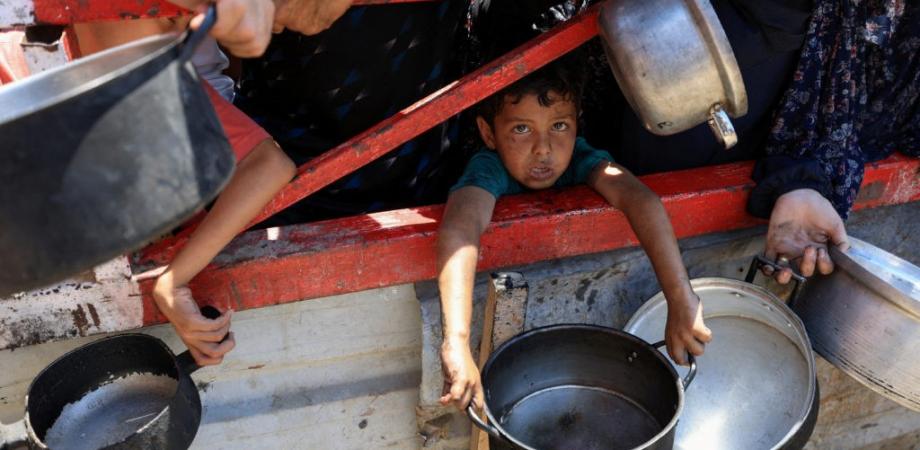
Hundreds of thousands of people in Gaza are facing growing food insecurity after the charity World Central Kitchen scaled back parts of its relief operations amid mounting financial pressures and dwindling operational resources during Israel’s ongoing genocidal war on the territory.
The reduction in daily meal distribution has raised alarm among humanitarian officials, who warn that many displaced families now depend almost entirely on aid kitchens for survival after months of destruction, blockade and economic collapse. Local authorities said the cutbacks are already having a direct impact on vulnerable communities living in overcrowded shelters and displacement camps.
According to officials in Gaza, the organisation had become one of the main pillars of food support in the territory over recent months, at one stage delivering around one million meals per day through a network of field kitchens, bakeries and distribution centres. The programme also reportedly supplied tens of millions of loaves of bread and large quantities of drinking water to displaced civilians.
Officials warned that any reduction in meal production or operating hours could have devastating consequences for more than 250,000 families relying on hot meals as their primary source of food. Children, elderly people and patients suffering from malnutrition are expected to be among the hardest hit as humanitarian conditions continue to deteriorate across the enclave.
Representatives from the organisation said the decision was driven by severe funding shortages rather than a political decision to suspend operations. They stressed that humanitarian needs inside Gaza remain exceptionally high and confirmed that hundreds of thousands of meals would continue to be distributed each day despite the reductions.
The organisation also stated that it has spent more than half a billion dollars on relief operations in Gaza since the genocidal war began, relying heavily on donations from individuals worldwide. Aid officials have renewed calls for governments and international institutions to increase financial support and apply pressure to ensure the uninterrupted entry of food, fuel and humanitarian supplies into the territory.
Source : Safa News


