
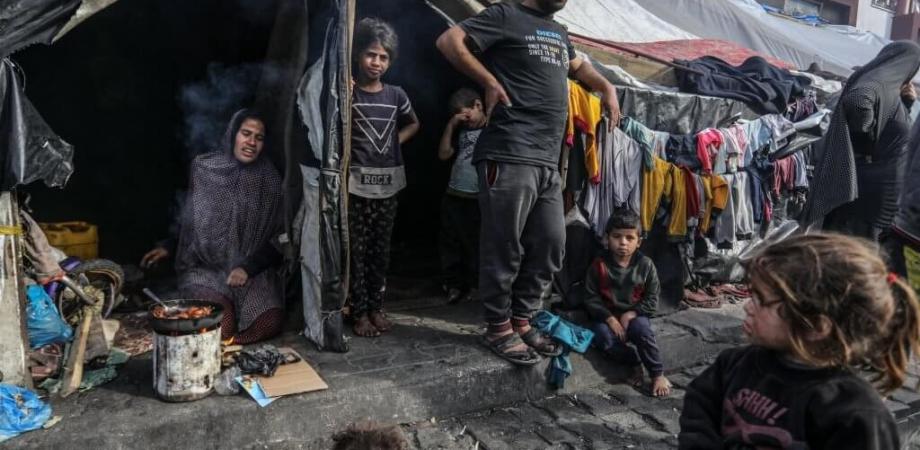
For many displaced families in Gaza, overcrowded tents and makeshift shelters have become far more than temporary refuge from the genocidal war. For children with autism, they have turned into deeply distressing environments where constant noise, instability and fear can trigger severe emotional and behavioural breakdowns.
Across the enclave, parents say children with autism are struggling to cope with the relentless sound of explosions, military aircraft and densely packed camps where routines have disappeared entirely. The loss of specialised care, therapy, education and safe spaces has left many families isolated as conditions continue to deteriorate.
In the Al-Mawasi area west of Khan Younis, the family of nine-year-old Mohammed Mansour described a daily struggle to keep their son safe inside a chaotic displacement camp. His mother said he has repeatedly wandered away from the family tent after becoming overwhelmed by the surrounding noise and confusion. Each disappearance has sparked frantic searches through rows of nearly identical shelters, with relatives fearing he could be permanently lost or harmed.
She explained that her son is often unable to communicate his name or guide others back to his family, turning every moment of disappearance into what she called “a real threat to his life”. Before the genocidal war, the family had travelled abroad seeking specialised treatment for him and had planned to continue therapy in Turkey before border closures trapped them inside Gaza.
Another family suffered an even more devastating outcome. Eleven-year-old Anas Ahmed, who reportedly had severe autism, fled his family’s tent during intense bombardment several months ago after experiencing extreme panic. According to relatives, he became disoriented while running through the displacement camps and eventually reached an area near Israeli military positions in Rafah, where he was fatally shot. His body was reportedly recovered two days later.
Rights advocates say such incidents reflect the complete absence of protection mechanisms for disabled people and vulnerable children inside Gaza’s displacement camps. Salah Abdel Ati, from the International Commission to Support Palestinian Rights, warned that the lack of specialised systems for monitoring, support and family reunification has left autistic children exposed to extreme danger in unsafe environments that fail to meet even basic humanitarian standards.
He stressed that protection for disabled people cannot stop at providing tents and food aid, arguing that humanitarian agencies must create quieter safe zones, psychological support systems and specialised care structures tailored to children with disabilities. Without that, he said, displacement camps risk becoming places where suffering is reproduced rather than relieved.
Source : Safa News


