
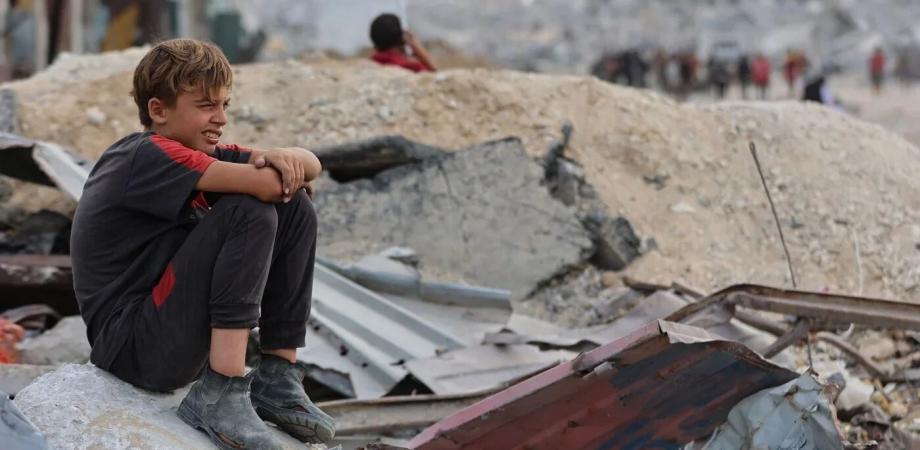
SAFA- A senior Palestinian dermatologist has warned of a sharp rise in chickenpox infections across the Gaza Strip, attributing the outbreak to the devastating humanitarian conditions caused by Israel's ongoing war, including mass displacement, overcrowding, malnutrition, and the collapse of the healthcare system.
Dr. Raed Abdul Karim Abu Sariya, a dermatology consultant with the Palestinian Red Crescent Society and the Palestinian Ministry of Health, said medical facilities have recorded a significant increase in chickenpox cases in recent months.
Speaking to Palestine Newspaper, Abu Sariya said the surge is consistent with reports by the United Nations Relief and Works Agency (UNRWA) and the World Health Organization (WHO), both of which have documented a broader increase in infectious diseases across the Gaza Strip.
Abu Sariya explained that chickenpox is highly contagious and can be transmitted up to 48 hours before symptoms appear. Infected individuals remain contagious for approximately eight to ten days, while the incubation period is typically around two weeks.
He said isolating infected patients remains the most effective way to prevent transmission but described such measures as nearly impossible under current conditions. With thousands of displaced families living in overcrowded tents and shelters, the virus spreads rapidly among family members and neighboring households.
Hospitals and clinics, including Al-Quds Hospital, are treating dozens of patients with skin diseases every day, with chickenpox representing a large proportion of the cases. However, extensive damage to Gaza's healthcare infrastructure has made it increasingly difficult for medical teams to identify, monitor, and isolate infected patients.
Medicine Shortages Increase Health Risks
Abu Sariya said treatment options remain severely limited due to shortages of dermatological medications at Palestinian Red Crescent clinics and the lack of medicines in local markets, a situation he linked to ongoing restrictions on the entry of medical supplies into Gaza.
He also challenged the common belief that chickenpox provides lifelong immunity, noting that reinfection is possible in about 15 percent of cases, although subsequent infections are generally less severe.
The current outbreak, Abu Sariya says, is a result of the confluence of overcrowded living conditions, compromised immune systems due to widespread malnutrition and the collapse of healthcare services, all of which have undermined efforts to prevent and contain disease.
He warned that although chickenpox rarely caused serious complications before the war, the current humanitarian crisis has increased the risk of severe illness affecting the lungs, kidneys, or brain, with potentially life-threatening consequences.
Abu Sariya called for urgent intervention by local and international health organizations to contain the outbreak, improve access to essential medicines, and enhance living conditions in displacement shelters to help curb the spread of infectious diseases.
Source : Safa News


