
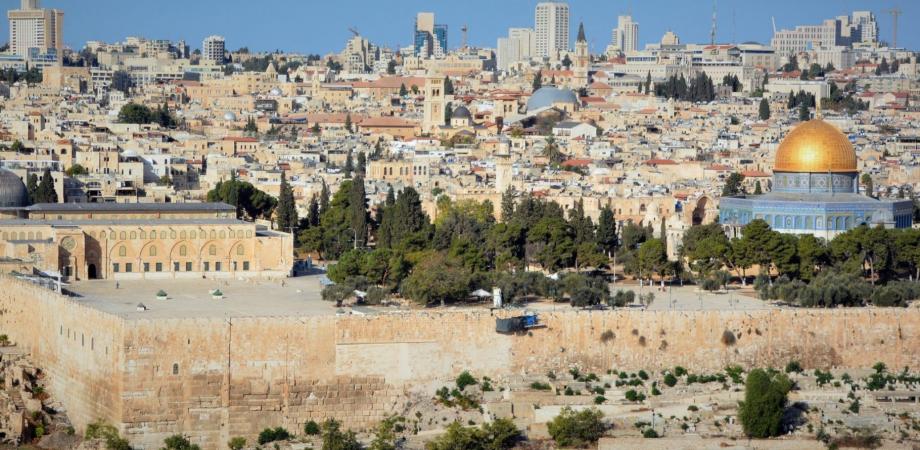
SAFA — Al-Quds International Foundation has published a research paper examining how forests, parks and landscaping projects form part of what it describes as a broader Israeli effort to reshape the character, geography and historical identity of Palestinian land.
The paper, titled “Green Judaization: The Use of Forests and Parks in the Judaization of Occupied Palestinian Lands,” was authored by researcher Ali Ibrahim and examines the political and historical dimensions of tree planting and green-space projects in Palestinian areas.
The study says the Israeli occupation has incorporated tree planting, forest creation and park development into a broader system of policies aimed at reshaping Palestinian land.
According to the paper, the process often begins with the seizure of Palestinian land through legal and administrative mechanisms and ends with the physical transformation of the landscape, giving it a new identity while obscuring its Palestinian history and heritage.
Forests Over Palestinian Villages
The study traces the roots of these policies to the activities of the Jewish National Fund, established in 1901.
According to the research, the practice expanded significantly after the 1948 Nakba, when hundreds of millions of trees were planted on land belonging to Palestinian villages whose residents had been forcibly displaced and whose homes were destroyed.
The paper argues that the vegetation helped obscure the physical remains and landmarks of those villages, making the original Palestinian landscape increasingly difficult to recognize.
It says forests and other green spaces can therefore serve a function extending beyond environmental development by altering the physical appearance of areas from which Palestinian communities were displaced.
‘Biblical Parks’ Around Jerusalem
The study focuses particularly on Jerusalem, where it says the use of green spaces has taken on additional political and historical significance.
It examines a network of parks and open spaces established around Jerusalem's Old City and the Al-Aqsa Mosque compound, which the paper describes as “biblical parks.”
According to the study, these parks contribute to reshaping the urban landscape around the Old City and Al-Aqsa by incorporating religious and historical symbolism associated with the Israeli narrative.
The paper argues that surrounding the area with such parks and spaces reinforces an Israeli interpretation of its history and identity while marginalizing its Palestinian character.
‘Green Judaization’
The research argues that forests, parks and tree-planting projects should not be viewed solely as environmental or landscaping initiatives without considering their broader political context.
What may appear to be a natural landscape, it says, can conceal the remains of destroyed Palestinian villages and other physical traces of Palestinian communities and their historical heritage.
The paper describes this process as “green Judaization,” arguing that trees, forests and parks can become instruments for reshaping geography, historical memory and the identity attached to a particular place.
The study concludes that the use of green spaces represents a less visible dimension of territorial control, in which environmental features can contribute to transforming the physical landscape and promoting one historical narrative at the expense of another.
Al-Quds International Foundation said documenting and exposing such practices is important as policies aimed at changing the character of Palestinian land and its historical landmarks continue.
Source : Safa News


