
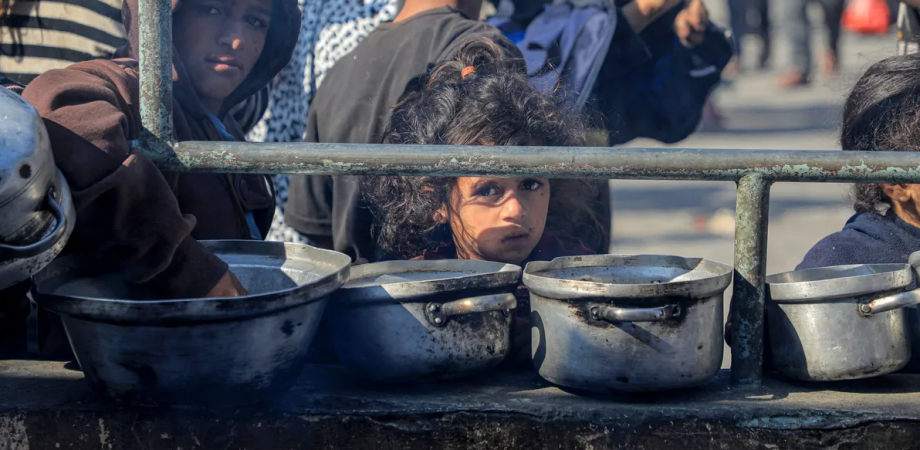
SAFA — Palestinian authorities in Gaza have warned of a looming humanitarian catastrophe as severe funding shortages force international agencies to reduce assistance and threaten further cuts to food and health services across the besieged enclave.
Ismail Al-Thawabta, director-general of Gaza’s Government Media Office, warned that declining international humanitarian funding “represents a real catastrophe” for Palestinians already living under severe humanitarian conditions.
Al-Thawabta said funding shortages affecting the World Food Programme (WFP) could deprive hundreds of thousands of Palestinians of essential assistance, warning that around 400,000 people could be affected.
WFP currently supports around 1.5 million people in Gaza each month, including approximately one million who receive monthly food assistance. In July, the agency reduced the value of cash assistance by 40% for 375,000 people because of funding shortages and has warned that further cuts will be unavoidable unless additional funding is secured.
The agency says around 1.4 million Palestinians in Gaza continue to face high levels of acute food insecurity. It has warned that up to 90% of Gaza’s population could face high levels of acute food insecurity by the end of the year if current levels of humanitarian food assistance are not sustained.
Al-Thawabta also warned that shrinking humanitarian resources threaten Gaza’s devastated health sector, where hospitals continue to struggle with shortages of fuel, medicines, equipment and spare parts.
He argued that the decline in humanitarian funding was linked to political pressure on Palestinians and condemned the use of food and humanitarian assistance as instruments of political pressure.
Al-Thawabta called on donor governments, UN agencies and international organisations to urgently increase funding and prevent further deterioration of Gaza’s food and health systems.
WFP says it urgently needs hundreds of millions of dollars in additional funding to sustain assistance across Gaza and the occupied West Bank, warning that humanitarian needs remain severe despite the fragile ceasefire.
Source : Safa News


