
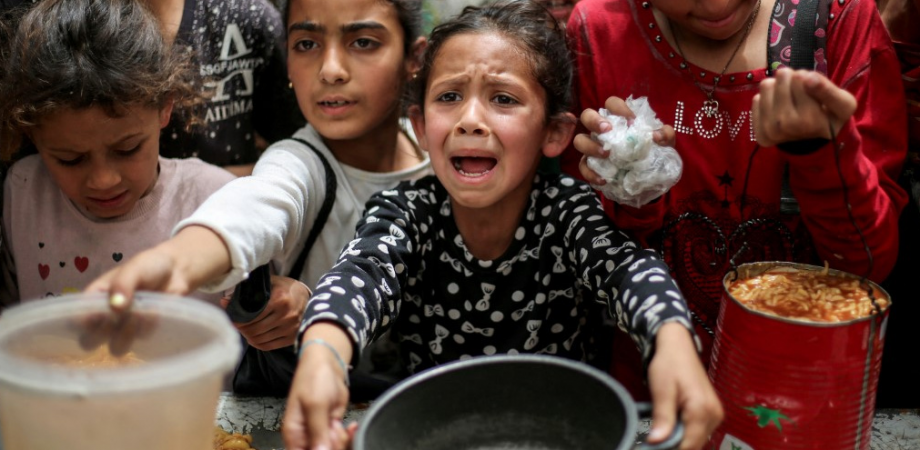
SAFA — Gaza's Health Ministry warned Friday that catastrophic malnutrition and starvation are threatening hundreds of thousands of Palestinians, particularly children, pregnant women, and older people, as Israel's genocide in Gaza enters its third year.
In a statement marking World Food Day on October 16, the ministry announced that 466 Palestinians have died from starvation and malnutrition since 2024, including 157 children and 189 older people.
The ministry also warned that more than 1.4 million Palestinians, approximately 67% of Gaza's population, could face crisis-level food insecurity or worse by the end of 2026.
The warning comes more than a year after famine was declared in Gaza Governorate in August 2025, as the consequences of Israel's blockade, widespread destruction, and restrictions on essential supplies continue to devastate Palestinian families.
157 Children Die as Acute Malnutrition Spreads
Children have suffered some of the most devastating consequences of Gaza's starvation crisis.
According to the Health Ministry, 157 children have died from malnutrition and starvation since 2024, accounting for approximately one-third of all recorded deaths linked to hunger.
Between 2024 and August 2026, medical teams documented 158,001 cases of acute malnutrition among children under five, including 28,716 severe cases requiring urgent medical and nutritional intervention.
The ministry's figures also show a sharp increase in mortality among young children.
The under-five mortality rate rose from 13.6 deaths per 1,000 live births in 2022 to 33.4 in 2025.
Meanwhile, 12.2% of children were affected by stunting, a condition associated with prolonged nutritional deprivation that can impair physical growth and development.
The ministry estimated that approximately 74,200 children will require urgent treatment for acute malnutrition through April 2027.
These figures reveal the long-term consequences of food deprivation for Palestinian children, many of whom have endured repeated displacement, disrupted healthcare, and severe shortages of nutritious food.
Pregnant Women Face Rising Anemia and Pregnancy Losses
The starvation crisis has also placed pregnant women and unborn children at serious risk.
According to the ministry, anemia among pregnant women increased to 61% in 2026, compared with 41% before Israel's genocidal war.
Nearly 4,000 pregnancy losses were recorded during the first six months of 2026, while one in three pregnancies was classified as high-risk.
Severe nutritional deficiencies during pregnancy can increase the risk of complications, including premature birth, low birth weight, and impaired fetal development.
The destruction of healthcare facilities and shortages of medicines, nutritional supplements, and maternal health services have further endangered pregnant and breastfeeding women.
For many Palestinian mothers, securing sufficient food has become increasingly difficult as displacement, unemployment, and the collapse of local food production continue to affect daily life.
189 Older Palestinians Die From Starvation
Older Palestinians account for the largest share of recorded starvation and malnutrition deaths among the age groups identified by the ministry.
The statement documented 189 deaths among older people, representing approximately 40.5% of the total.
Field surveys cited by the ministry revealed severe food deprivation and disruptions to medical treatment among elderly Palestinians.
According to the findings, 11% of older respondents had gone an entire day without eating.
Another 48% said they had reduced their own food portions to provide for other family members.
Meanwhile, 68% reported reducing or stopping their daily medications because essential drugs were unavailable.
For older people living with diabetes, heart disease, kidney conditions, and other chronic illnesses, the combination of inadequate nutrition and interrupted treatment can lead to life-threatening complications.
The figures demonstrate how Gaza's hunger crisis extends beyond food shortages, affecting the ability of vulnerable Palestinians to manage existing medical conditions and survive.
Gaza Health Ministry Condemns Starvation as a Policy
The Health Ministry accused Israel of pursuing a policy of deliberate deprivation that has made hunger a daily reality for Palestinians across the besieged Gaza Strip.
It stressed that access to adequate food is a fundamental human right that "does not lapse in times of war."
The ministry warned that prolonged restrictions on food, medicines, and therapeutic nutritional supplies are deepening the humanitarian catastrophe, particularly among children, pregnant women, breastfeeding mothers, and older people.
It called on the United Nations and the international community to take immediate action to ensure the safe, sustained, and unrestricted entry of essential supplies into Gaza.
The ministry also emphasized the need to restore local food production, warning that emergency food assistance alone cannot address the scale or duration of the crisis.
Rebuilding agricultural capacity and restoring reliable food supplies are essential to reducing long-term dependency and preventing further deaths.
World Food Day Marked by Hunger and Death in Gaza
World Food Day, observed annually on October 16, is intended to draw attention to hunger, food security, and the right to adequate nutrition.
In Gaza, the occasion has been marked by a warning that hundreds of Palestinians have already died from starvation and malnutrition, while more than a million remain at risk of severe food insecurity.
The ministry's figures reveal the devastating consequences of prolonged deprivation: 466 starvation-related deaths, tens of thousands of malnourished children, rising maternal health complications, and older Palestinians forced to go without food and essential medicines.
The Health Ministry urged immediate international intervention to end restrictions on food and medical supplies, restore local food production, and ensure that vulnerable Palestinians receive the treatment and nutrition they urgently need.
As Israel's genocide continues, Gaza's starvation crisis threatens not only those struggling to survive today but also the health and development of an entire generation of Palestinian children.
Source : Safa News


