
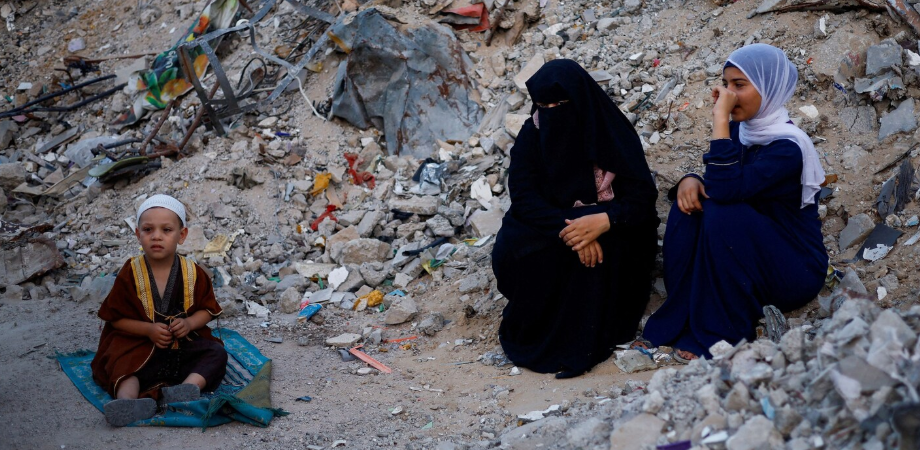
What is being presented internationally as a moment of calm has brought little comfort to Gaza’s residents. Despite diplomatic language suggesting an end to the genocidal war, life on the ground remains defined by devastation, scarcity and fear. Air strikes have not fully ceased, aid deliveries fall far short of what is needed, and daily survival has become an exercise in endurance rather than recovery.
Recent winter storms exposed the depth of the destruction. Heavy rain and strong winds swept through areas where homes have been reduced to rubble and families rely on makeshift tents. In ordinary circumstances, such weather would be an inconvenience. Here, it has proved deadly. Children have succumbed to cold, an infant died after floodwater entered a shelter, and collapsing walls crushed tents pitched among ruins. These deaths were not freak accidents but the foreseeable result of a landscape stripped of protection and infrastructure.
Weeks after a supposed truce, the only tangible developments have been limited exchanges involving Israeli prisoners and the release of Palestinian prisoners. Beyond that, little has changed. The death toll has continued to climb past tens of thousands, while promised humanitarian access has failed to materialise at scale. Far fewer aid lorries enter each day than required to sustain a population facing hunger, exposure and disease.
Political initiatives announced with confidence remain largely theoretical. Proposed governing bodies and international arrangements exist on paper but not in practice, blocked by vetoes and competing demands. Meanwhile, plans for an external force remain undefined, with regional actors unwilling to serve as enforcers of another power’s security agenda. As diplomatic attention drifts elsewhere, Gaza risks being carved into ever-smaller, tightly controlled zones, turning the territory into a place where survival itself is uncertain.
For the more than two million people still there, the message is stark: declarations of peace mean little without safety, shelter and dignity. A genocidal war cannot be ended by rhetoric alone, nor can recovery be entrusted to distant leaders already convinced the task is finished.
Source : Safa News


