
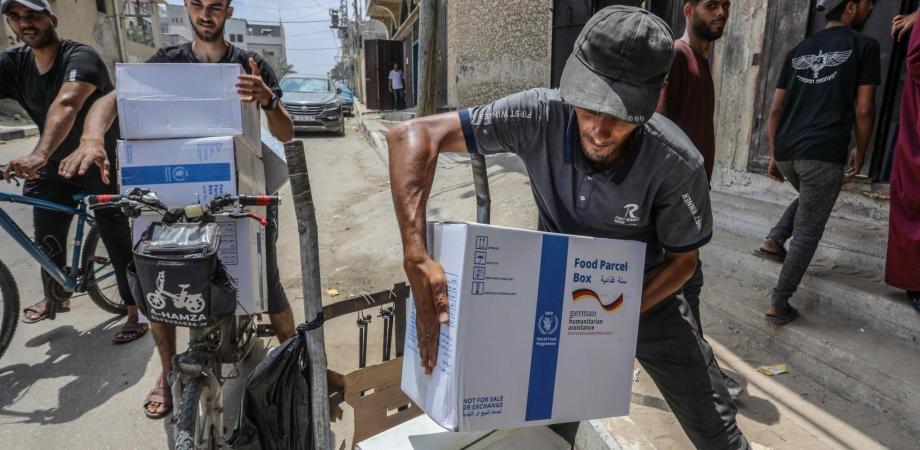
A sharp drop in humanitarian aid entering the Gaza Strip has intensified fears that the territory could once again face famine, according to Amjad Al Shawa, head of the Palestinian NGO Network. He warned that living conditions in Gaza are deteriorating rapidly as the population continues to endure the consequences of the ongoing genocidal war while severe restrictions limit the entry of essential supplies.
Al Shawa said the number of aid trucks allowed into Gaza fell significantly in February, coinciding with repeated closures of border crossings. Current deliveries average about 200 trucks a day, far below the 600 trucks required under the humanitarian arrangements linked to the October 2025 ceasefire. Aid agencies estimate that the territory actually needs more than 1,000 trucks each day to meet basic requirements for food, medical care and shelter.
Humanitarian organisations say continued restrictions on crossings and on key items such as food, medical supplies and materials needed for temporary housing are deepening the crisis for Gaza’s residents. Nearly 90 per cent of the population now relies on humanitarian assistance, while many families displaced during the genocidal war are still living in tents or damaged buildings.
Aid groups warn that prolonged shortages risk pushing already vulnerable communities into severe malnutrition and further humanitarian collapse. With infrastructure devastated and local resources exhausted, relief agencies say sustained and significantly larger aid deliveries are urgently needed to prevent conditions in Gaza from sliding towards a wider famine.
Source : Safa News


