
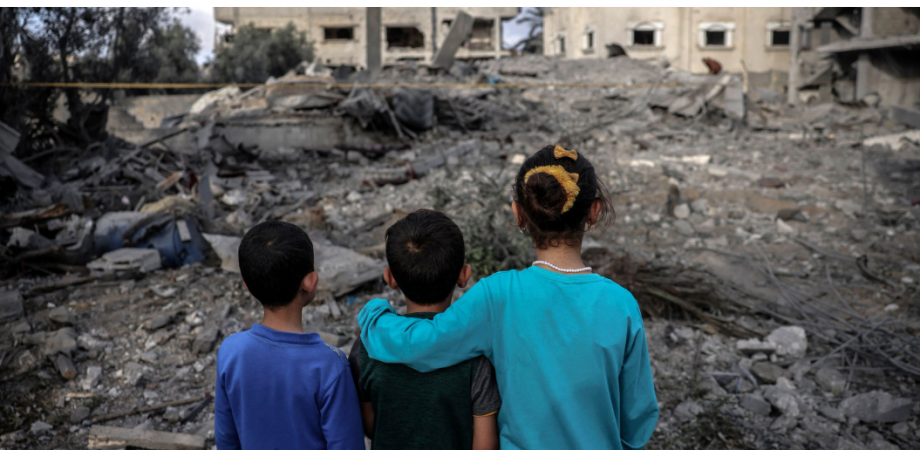
Three months after a ceasefire was announced, daily life across Gaza continues to be shaped by violence, deprivation and expanding military control, with conditions on the ground offering little sign of relief. Civilian deaths, widespread destruction and restrictions on aid persist, reinforcing the sense that the genocidal war has merely shifted form rather than ended.
Residential areas across the territory remain exposed to repeated strikes and live fire, while large swathes of land are kept under direct control, limiting movement and access for residents. Entire neighbourhoods have been flattened, essential infrastructure has been rendered unusable and vast areas are contaminated with unexploded remnants of warfare. These hazards have turned routine tasks such as finding food or shelter into life-threatening risks, particularly for children.
Displacement continues on a massive scale, with around one and a half million people still living in tents or structurally unsafe buildings that offer little protection from winter storms. Collapsing homes and exposure to cold have claimed lives, including infants, while malnutrition deepens as food supplies remain insufficient, expensive and lacking in diversity. Medical services operate under extreme strain, with damaged facilities, shortages of equipment and growing numbers of patients requiring urgent care.
Humanitarian access has also tightened, with dozens of international relief groups barred from entering Gaza in early January. Their exclusion has sharply reduced the availability of food assistance, medical services and nutritional support for vulnerable groups. Despite limited improvements in food availability, prolonged hunger and deteriorating living conditions point towards a worsening humanitarian emergency under the shadow of an ongoing genocidal war.
Source : Safa News


