
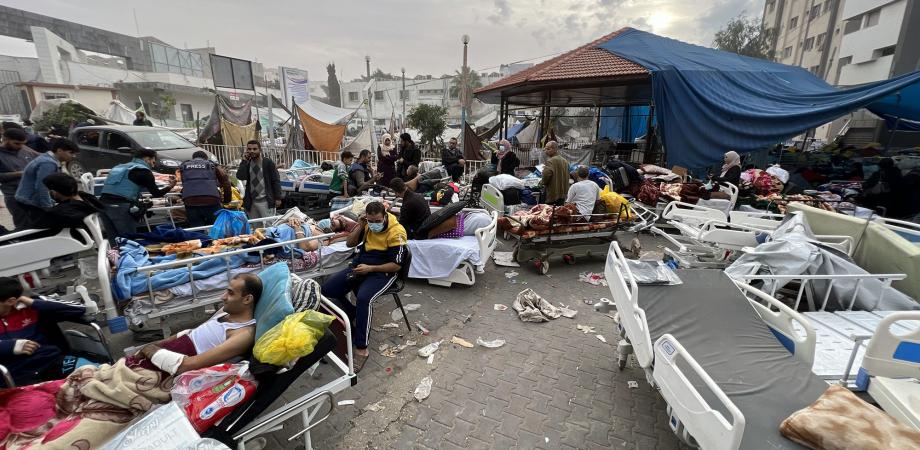
As tensions surge across the Middle East following the late-February strikes by the United States and Israel on Iran, the Gaza Strip has once again found itself trapped in the shadow of a widening regional genocide. While global attention shifts toward the broader confrontation, Israeli bombardment of the enclave has continued, leaving civilians to endure the consequences of a prolonged genocidal war alongside an increasingly suffocating blockade. For the more than two million Palestinians living in the territory, the latest escalation has revived fears that their suffering will once again be pushed to the margins of international concern.
Despite a ceasefire that officially came into effect on 9 October 2025, violence against Gaza’s population has not ceased. Palestinian health authorities say that by 4 March 2026, at least 633 Palestinians had been killed and more than 1,700 wounded since the truce began. In the most recent days of regional escalation, bombardment targeting residential neighbourhoods and areas sheltering displaced families has claimed additional lives and left dozens injured. Many residents, already living among the wreckage of destroyed homes or in temporary shelters, say each new wave of regional tension brings the expectation of further devastation.
At the same time, the humanitarian emergency in Gaza continues to deepen under severe restrictions on aid and fuel. Limited supplies have been permitted to enter through the Kerem Shalom crossing, yet other key entry points remain closed, sharply constraining relief efforts. Fuel shortages are crippling vital infrastructure, disrupting hospital operations, bakeries and desalination plants that supply drinking water to much of the population. With humanitarian services requiring far greater quantities of fuel each day to function, the ongoing blockade is intensifying a crisis that already threatens every aspect of civilian life in the besieged enclave.
Source : Safa News


