
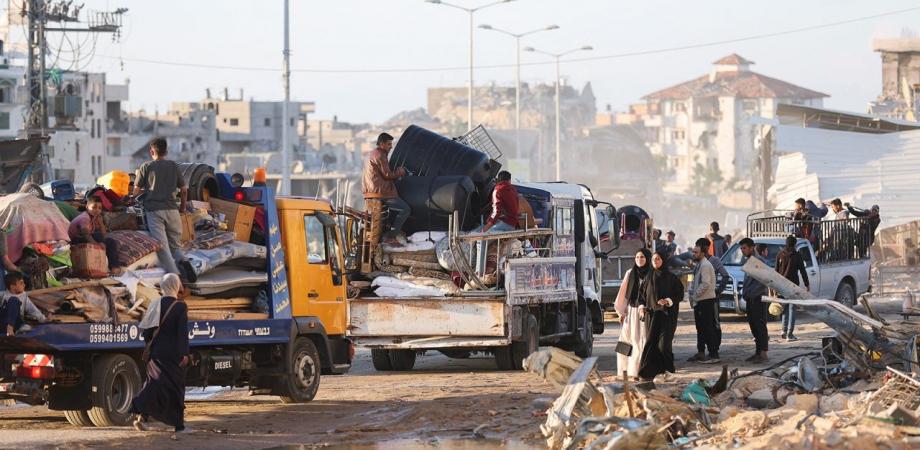
In Beirut, three weeks into an intensifying genocidal war, paediatric intensive care units are operating beyond capacity. At the American University of Beirut Medical Center, critically injured children continue to arrive from across the country, many pulled from the rubble following Israeli strikes. Among those leading the response is Ghassan Abu Sittah, a specialist in reconstructive surgery who describes his work as a relentless race against time.
On a recent morning, three children were rescued alive after a strike near the capital, each with severe injuries. One 11-year-old girl, suffering from abdominal shrapnel wounds and a partially amputated foot, was rushed into surgery. Such cases are no longer exceptional. The surgeon reports treating children with multiple, overlapping injuries, including head trauma, brain damage, and extensive tissue destruction, often requiring repeated operations over weeks. In some instances, young patients must return to theatre every 48 hours to remove dead tissue and stabilise wounds before reconstruction can even begin.
According to official figures, at least 118 children have been killed and hundreds more injured in Lebanon since early March, as Israeli bombardment has expanded following exchanges involving Hezbollah. Medical infrastructure has come under severe strain, with several hospitals forced to evacuate and emergency services disrupted. The destruction has further complicated access to care, particularly for those outside major urban centres, where medical facilities remain limited.
For Abu Sittah, these scenes are tragically familiar. Having worked across multiple theatres of violence, including repeated missions to Gaza Strip, he draws a stark comparison, describing the situation in Lebanon as a smaller-scale version of what he has previously witnessed. Despite decades of experience, he insists that the suffering of children remains impossible to normalise. Each case, he stresses, represents an individual life, not a statistic.
The challenges extend beyond the operating room. Ambulance transfers from regions such as Nabatiyeh and the Bekaa Valley have become perilous, with medical transport reportedly targeted, forcing movements to take place only during daylight hours and often with significant delays. In several cases, children with critical injuries have died before reaching adequately equipped facilities in Beirut.
Beyond immediate survival, the long-term consequences are profound. Many young patients face permanent disabilities, compounded by the loss of family members and the collapse of support structures. Abu Sittah, who established a foundation in 2024 to support child victims in both Gaza and Lebanon, highlights the absence of post-hospital care for many families already living in poverty. The destruction, he notes, extends far beyond physical injuries, eroding entire family units and leaving children without adequate care or stability.
Source : Safa News


