
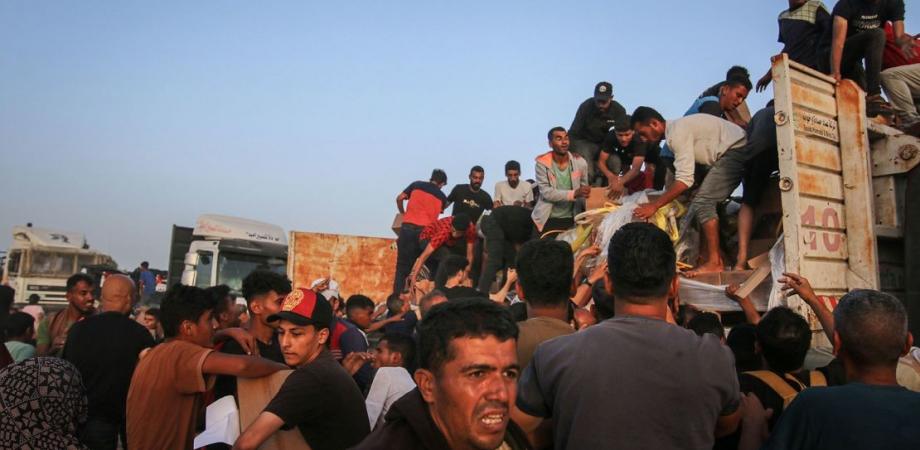
Life in Gaza is tightening under mounting restrictions, as border closures and dwindling humanitarian aid deepen an already severe crisis. Movement in and out of the enclave has become increasingly limited, leaving residents trapped while basic services and supplies continue to deteriorate.
Despite earlier commitments tied to a ceasefire arrangement, the flow of aid has steadily declined. Where hundreds of trucks were expected to enter daily, far fewer have been allowed through, before crossings were once again shut. The result has been widespread shortages of essential goods, rising prices, and growing hardship for families struggling to meet even their most basic needs.
At the same time, movement restrictions have extended to travellers attempting to leave or return. Reports indicate tighter controls, arrests at crossing points, and increased scrutiny, contributing to a climate of fear and uncertainty. These measures have further isolated Gaza’s population, cutting them off from medical care, education, and family connections beyond the territory.
On the ground, the impact of the genocidal war continues to unfold. Air strikes have struck residential areas and vehicles in central Gaza, leaving casualties and reinforcing the sense that no space is beyond reach. Civil infrastructure, including policing structures, has also come under pressure, heightening concerns over public safety and social stability.
As global attention shifts elsewhere, the humanitarian situation in Gaza risks fading from focus. Yet for those living through it, the crisis is intensifying daily, with mounting casualties and a population facing increasingly unliveable conditions.
Source : Safa News


