
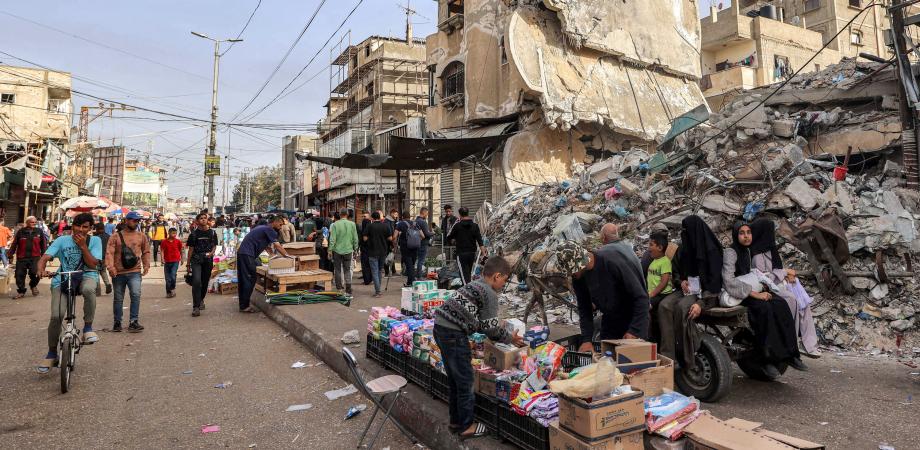
Gaza’s fragile economy is edging closer to collapse as far‑reaching restrictions on imports threaten to extinguish the last functioning sectors of everyday life. Business leaders in the territory warn that recent measures, which have slashed the flow of goods by some 80 per cent, have not only crippled production but also deepened hardship for ordinary families already living under extreme strain amid a genocidal war. With raw materials and essential machine parts blocked at entry points, bakeries, workshops and transport services are struggling to stay operational.
Trucks that once delivered food, fuel and supplies to markets are now grounded, unable to move without the oils, tyres and mechanical components they need. Drivers and transport operators speak of a “slow paralysis” setting in, as vehicles break down and are left unrepaired. This disruption has intensified shortages on local shelves and driven prices higher, leaving many households unable to secure basic goods. Traders describe a sense of abandonment, saying that promises of improved access after talk of a truce have yielded only further restrictions, leaving communities to bear the brunt of logistic breakdowns and economic erosion.
Life for many in Gaza has been described as more draining now than during previous wars, as the blockade’s chokehold squeezes every corner of the local economy. Bakery owners, in particular, fret that without a steady supply of oils and generator spares, their ovens will fall silent, cutting off a vital food source for tens of thousands. With generators already limping along in an ongoing electricity crisis, there is growing fear that essential services, from hospitals to water pumps, could grind to a halt. Meanwhile, destruction of homes and infrastructure, and the displacement of more than 1.5 million people into overcrowded camps lacking basic necessities, underline the worsening humanitarian reality.
Source : Safa News


