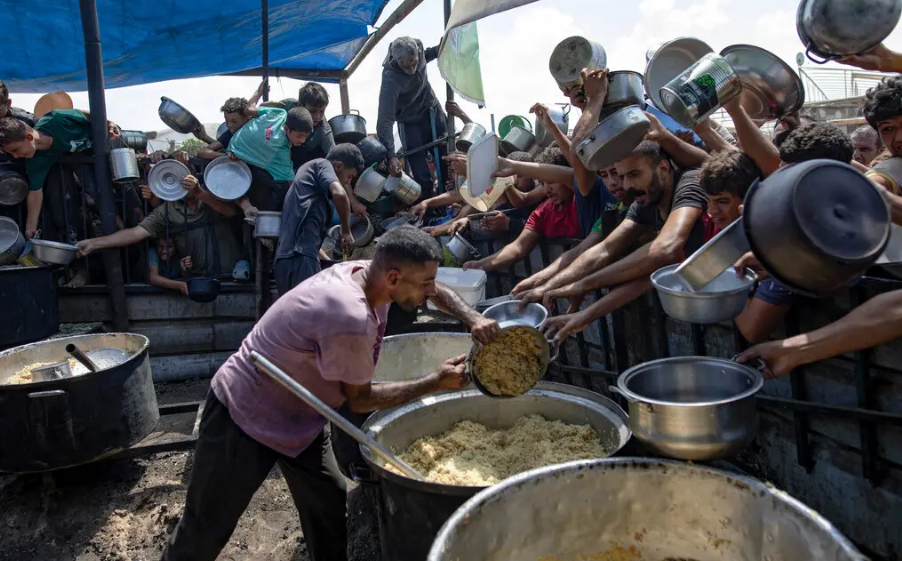
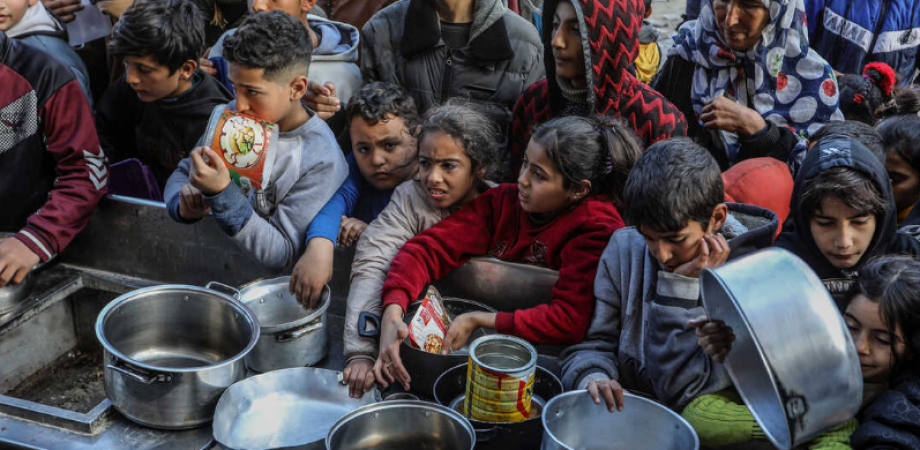
SAFA — The World Food Programme (WFP) has cut assistance to Palestinian families in the occupied West Bank amid severe funding shortages, with around 200,000 people losing support as humanitarian needs have doubled over the past two years.
Sean Hughes, WFP's director in Palestine, said escalating Israeli settler attacks and Israeli military operations, combined with economic hardship and rising unemployment, have worsened food insecurity across the West Bank.
About one-third of the West Bank's population is struggling to meet basic needs, Hughes said.
The cuts come as humanitarian organizations face growing funding constraints while economic conditions across the occupied West Bank continue to deteriorate.
WFP Reduces Assistance in Gaza
WFP also reduced cash assistance to about 75,000 families in Gaza in July.
The agency warned that as much as 90% of Gaza's population could face high levels of acute food insecurity by the end of the year if humanitarian assistance is not maintained.
The warning comes amid continued restrictions on humanitarian access and widespread damage to Gaza's food, water and health infrastructure.
WHO Warns of Winter Health Crisis
The World Health Organization (WHO) separately warned of a potential public health crisis in Gaza during the winter, citing water contamination and deteriorating sanitation conditions.
WHO said cases of acute watery diarrhea increased from about 30,000 in March to more than 58,000 in August, raising concerns about the spread of waterborne diseases as winter approaches.
The organization also said more than 6,600 Palestinians require long-term care following limb amputations. As of July, only 12% of people who had undergone amputations since October 2023 had received prosthetic limbs, according to WHO.
The agency called for faster delivery of medical and laboratory supplies and prosthetic devices, along with improved access to clean water and better waste management.
The warnings from WFP and WHO underscore the growing humanitarian pressures facing Palestinians in both the occupied West Bank and Gaza, as funding shortages, restrictions and damaged infrastructure threaten access to food, health care, clean water and other essential services.