
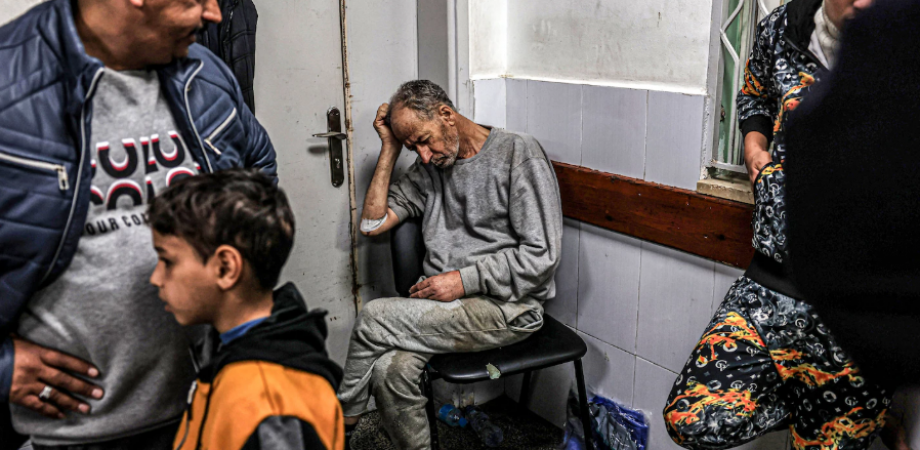
Across the region, the fate of prisoners taken during the genocidal war has raised serious questions about how a system meant to uphold the law has instead become a structure enabling severe mistreatment. Former detainees consistently describe an environment where intimidation, humiliation, and coercive practices operate under administrative protection, despite the absolute prohibition of such treatment in international law. The legal instruments that should safeguard human dignity are clear: pain or suffering, whether physical or psychological, is forbidden under any circumstance. Yet testimonies from those released suggest that these guarantees hold little weight once the prison doors close.
During the recent genocidal war, detention centres increasingly functioned as closed environments shielded from external scrutiny. Access to legal representation was delayed or restricted, oversight committees were blocked, and emergency regulations gave authorities wide discretionary powers. Rights groups argue that such measures did not merely facilitate violations but created a legal environment where they could flourish without consequence. The reduction of basic necessities, the tightening of movement, and the imposition of collective punishments formed part of a punitive framework that has raised widespread alarm among international legal experts.
Former prisoners describe treatment that reflects a coordinated and repeated pattern rather than isolated abuses. They speak of relentless pressure during interrogations, near-total deprivation of rest, prolonged confinement, and an atmosphere designed to break their resolve. Many report being denied adequate medical care, leaving them with long-term physical complications. Doctors who examined recently released detainees warn of lasting impacts: impaired mobility, sensory loss, and chronic pain linked to prolonged mistreatment or the withholding of necessary treatment. According to legal analysts, such neglect constitutes a form of deliberate harm under international definitions of torture.
These conditions, combined with legislative and political protection for those overseeing the system, have led experts to argue that the issue is not a lapse in oversight but a structure built to operate in this way. Appeals for international accountability have therefore intensified, with advocates insisting that without a credible mechanism to investigate and prosecute violations, detainees will remain vulnerable to policies shaped by impunity rather than the rule of law.
Source : Safa News

