
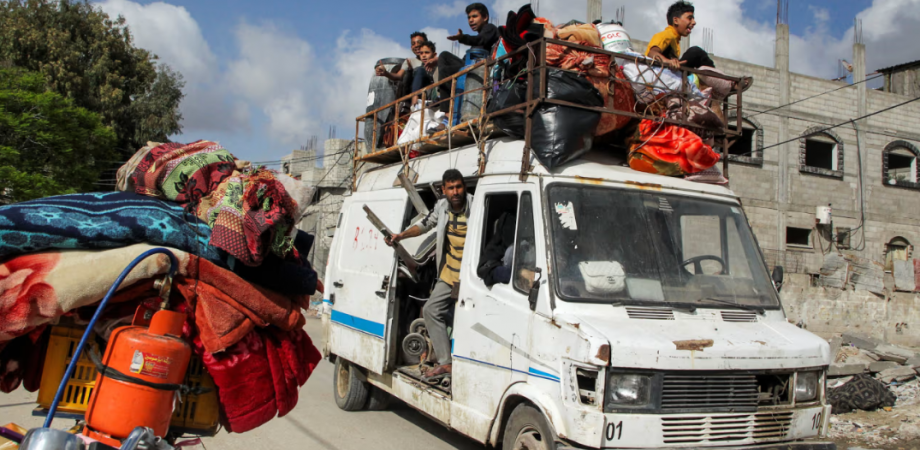
SAFA- Representatives of Gaza's commercial sectors have warned that the transportation and vehicle import industries are on the verge of collapse, citing severe shortages of fuel, lubricants, and spare parts caused by Israel's tightened restrictions on border crossings and the ongoing genocide.
They called for urgent international intervention to reopen the crossings, allow the entry of essential supplies, and provide financial support to traders and transportation companies. They warned that the continued crisis could gradually halt vehicle movement, disrupt essential services, and further worsen the humanitarian situation.
Wael Al-Helles, Deputy Chairman of the Association of Vehicle Importers, said prices of vehicle spare parts and other essential automotive supplies have risen to unprecedented levels, placing an additional burden on residents and severely affecting the transportation sector.
Al-Helles told Felesteen Newspaper that battery prices, which ranged between 300 and 500 shekels before the war, now cost between 4,000 and 6,000 shekels, with some selling for even higher prices.
He added that the lubricant crisis has also worsened significantly. A liter of motor oil that previously cost only a few dozen shekels now sells for 2,000 to 3,000 shekels due to severe shortages and restrictions on imports.
Tire prices have also surged dramatically. Before the war, tires cost between 150 and 500 shekels, while a single tire now sells for around 10,000 shekels or more because of limited supplies.
Al-Helles also said diesel-powered vehicles have seen unprecedented price increases. For example, a 2020 Kia Sorento, which sold for $50,000 to $60,000 before the war, now exceeds $150,000.
Businesses Near Collapse
He warned that the continued shortages threaten to paralyze the transportation and service sectors, as many essential services rely on vehicles and generators that require fuel, lubricants, and spare parts.
Al-Helles said the vehicle import and auto trade sectors are facing imminent collapse, threatening one of Gaza's key economic sectors. Preliminary estimates indicate that around 500 companies and dealerships have been directly or indirectly affected during the war, with total losses reaching approximately $100 million due to the destruction of facilities, damage to large numbers of vehicles, and the near-total disruption of supply chains.
He said the crisis has resulted in the loss of thousands of jobs and pushed the market toward paralysis. He called for immediate financial compensation, increased liquidity to help traders meet local and international obligations, uninterrupted access to goods, and reliable energy solutions to keep businesses operating despite chronic power outages.
Al-Helles also urged relevant authorities and international organizations to ensure the regular entry of spare parts and lubricants and to help stabilize prices in order to maintain essential services and ease the burden on residents.
Fuel Crisis Threatens Humanitarian Operations
Jihad Aslim, Deputy Chairman of the Association of Private Transport Companies in Gaza, warned that the transportation sector is rapidly approaching complete collapse because of worsening fuel and lubricant shortages and the continued ban on importing critical spare parts.
Aslim told Felesteen Newspaper that these conditions have gradually forced vehicles out of service, particularly trucks that are essential for transporting goods and providing services. He warned that this could severely disrupt logistics operations and affect humanitarian organizations as well as the private sector.
He called on the international community and mediators to take urgent action to reopen the crossings and allow the entry of essential supplies, warning that the collapse of the transportation sector would have far-reaching consequences across all aspects of life and deepen the humanitarian crisis.
Aslim also said drivers transporting humanitarian aid trucks have been subjected to systematic attacks and killings by Israeli forces while carrying out humanitarian missions to deliver aid into Gaza, despite the protections afforded to them under international humanitarian law.
Israel continues to impose a strict blockade on the Gaza Strip despite the ceasefire agreement that took effect in October 2025, while maintaining military control over approximately 60 percent of the territory, much of which has been extensively destroyed.
Source : Safa News


