
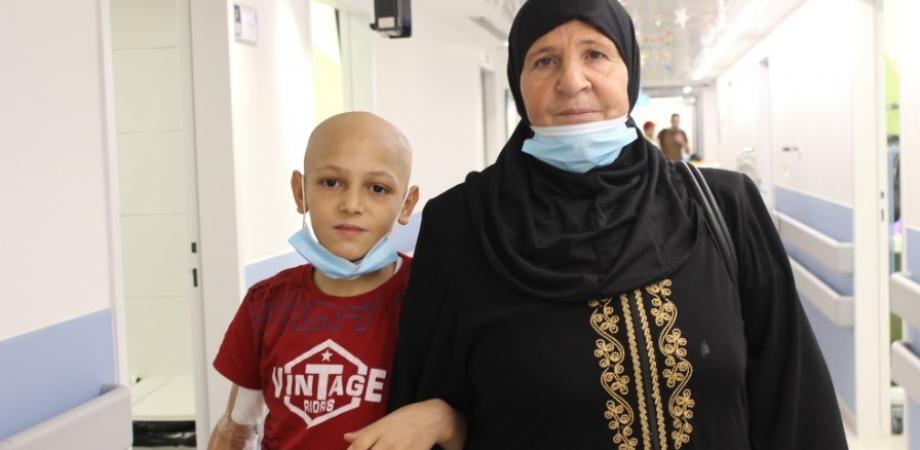
SAFA- Cancer patients in Gaza are enduring increasingly severe conditions, as health officials warn that restricted access to treatment by Israeli siege and acute shortages of essential care are contributing to a growing death toll linked to Israeli limits on medical access and supplies.
Doctors at Nasser Medical Complex in Khan Younis report that between three and four cancer patients are dying each day, largely due to delays in receiving treatment and the lack of specialized care within the territory.
Dr. Saleh Sheikh Eid, head of the oncology and hematology department at the hospital, said approximately 11,000 cancer patients in Gaza require ongoing treatment and monitoring. Many depend on referrals abroad for advanced therapies that are not available locally.
Access to external treatment remains severely restricted because of the Israeli siege. Since the partial reopening of the Rafah crossing in February, only around 30 patients per day have been able to leave Gaza for medical care across all specialties, of whom just five to six are cancer patients. Health officials say the figure is far below what is needed.
The gap between new diagnoses and those able to travel for treatment continues to widen. Doctors report that the number of newly diagnosed cancer cases each month is roughly double the number of patients permitted to leave, creating a growing backlog of untreated cases.
Delays in travel approvals further exacerbate the crisis. Patients often wait weeks or longer for permission to exit, with some dying before receiving clearance, according to medical staff.
Within Gaza, treatment options remain limited. While basic therapies are available, many patients require advanced treatments such as targeted therapy and immunotherapy, which are not accessible locally.
The closure of the Turkish-Palestinian Friendship Hospital, once a key cancer treatment facility, has placed additional strain on the already overstretched healthcare system.
Shortages of medical supplies have compounded the situation. Oncology services are facing critical gaps in chemotherapy drugs, diagnostic tools, and specialized medications, leaving doctors unable to provide comprehensive care.
Medical professionals say the most common cancers in Gaza include breast, colon, lung, and prostate cancers.
They add that deteriorating living conditions, including poor nutrition, contaminated water, and extreme heat in temporary shelters, are likely worsening patients’ health outcomes.
Hospitals are struggling to cope with demand. The oncology outpatient clinic at Nasser Medical Complex alone receives at least 100 patients daily, underscoring the scale of the crisis.
While some pediatric cancer patients have been able to access treatment abroad, particularly in Jordan, adult patients face greater challenges, with Egypt often serving as the primary destination for those who are able to travel.
Medical staff are calling for urgent measures, including increasing the number of patients permitted to leave Gaza, expanding operating days at border crossings, and ensuring the immediate entry of essential medicines and equipment.
“For cancer patients, time is not just waiting,” Dr. Eid said. “It can mean the difference between life and death.” He added.
Source : Safa News


