
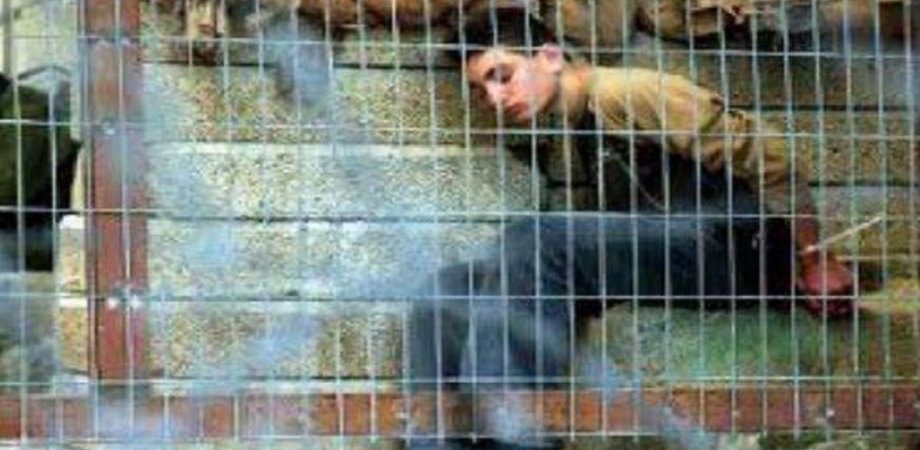
For more than two years, the global response to imprisonment has revealed a disturbing imbalance. A small number of Israeli prisoners prompted intense diplomatic mobilisation, relentless media coverage and high-level political pressure. At the same time, thousands of Palestinian prisoners held in Israeli jails have remained largely invisible, despite mounting evidence of torture, medical neglect and systematic deprivation. This disparity has hardened into an unspoken norm, where some lives are framed as urgent humanitarian cases while others are quietly excluded from the moral conversation surrounding the ongoing genocide.
Israeli detention facilities hold not only men, but also women, children and the seriously ill. Overcrowding, routine violence, denial of adequate healthcare and the suspension of family visits are widely reported realities. Yet these conditions rarely penetrate Western political discourse or mainstream media. The absence of scrutiny has created an environment of impunity, allowing abuses to continue without meaningful international pressure or accountability, even as the genocidal war intensifies and reshapes every aspect of Palestinian life, including behind prison walls.
Palestinian legal and human rights figures argue that this silence is not accidental. While Israeli prisoners were rapidly elevated to the status of universal victims, Palestinian prisoners, numbering over 9,000, were denied even basic recognition. There were no emergency international investigations, no sustained diplomatic initiatives and no serious efforts to enforce minimum humanitarian standards. Deaths in custody, estimated at more than one hundred in recent years due to abuse and medical neglect, have passed with little reaction, reinforcing the sense that Palestinian suffering is treated as administratively acceptable.
The situation inside the prisons has further deteriorated since the start of the genocide. Testimonies describe escalating torture from the moment of arrest through interrogation and long-term detention, transforming abuse into a daily, institutionalised practice rather than an exceptional measure. Sexual violence, severe beatings and deliberate humiliation are reported alongside restrictions on legal access and the exclusion of independent observers. Human rights organisations warn that available documentation reflects only a fraction of the violations taking place.
As international attention remains selective, Palestinian prisoners continue to endure a system designed to erase their suffering from global view. Without sustained media, legal and diplomatic engagement, accountability remains elusive. In the shadow of the genocidal war, the prison cells have become another site where injustice is normalised, and where silence functions not as neutrality, but as complicity.
Source : Safa News


