
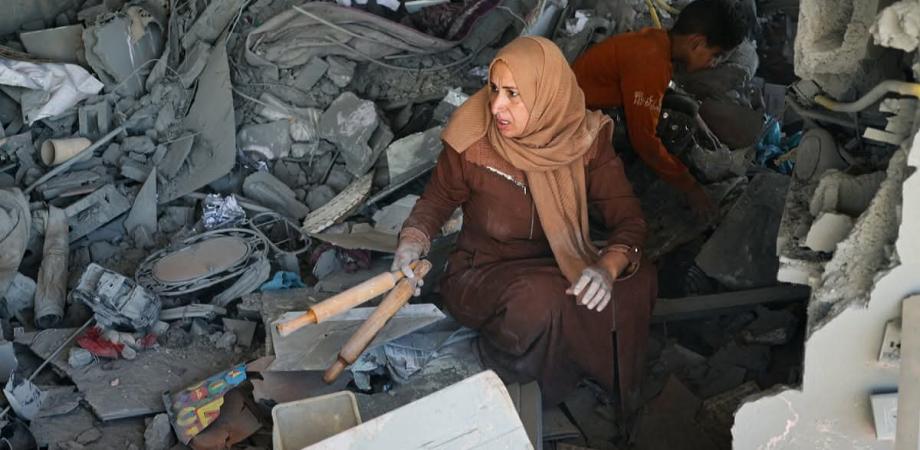
Fresh Israeli air raids struck the besieged Gaza Strip in the early hours of Saturday, killing several Palestinians despite a ceasefire that exists largely on paper. In the southern city of Khan Younès, mourners gathered around bodies wrapped in shrouds after a strike hit a police checkpoint near the al-Maslakh junction in al-Mawasi, leaving four dead and others critically wounded. For families already hollowed by loss, the promise of restraint has again given way to the reality of a genocidal war conducted amid a suffocating blockade.
Further north, a drone strike targeted a police post at the entrance of the Bureij refugee camp in central Gaza, killing two more people and injuring several others. Another civilian was reported killed in Beit Lahia, in the north of the territory. Medical staff, themselves operating under severe shortages, described scenes of chaos as they attempted to treat the wounded with dwindling supplies. These incidents add to a pattern of near-daily violations since the truce came into force last October.
Palestinian resistance figures warned that such actions erode any remaining credibility of mediation efforts and signal open disregard for international guarantees. They argued that the continued targeting of civil infrastructure under shifting pretexts exposes the ceasefire as an empty diplomatic gesture, while the death toll keeps rising. Since the beginning of the genocidal war more than two years ago, fatalities in Gaza have reportedly surpassed 72,000, with hundreds killed even after the truce was announced.
Meanwhile, humanitarian conditions continue to deteriorate. Fewer than 300 aid and commercial trucks were allowed into Gaza on Thursday, far below the daily minimum required to stave off hunger, just as heavy rains flooded makeshift tents sheltering displaced families during Ramadan. At the same time, Israeli authorities ordered dozens of humanitarian organisations to halt operations unless they hand over personal data on Palestinian staff, a move aid workers warn could cripple life-saving services. Earlier bans on the work of UNRWA have already left large gaps in assistance, despite a ruling by the International Court of Justice affirming the obligation to allow essential aid into Gaza.
Source : Safa News


