
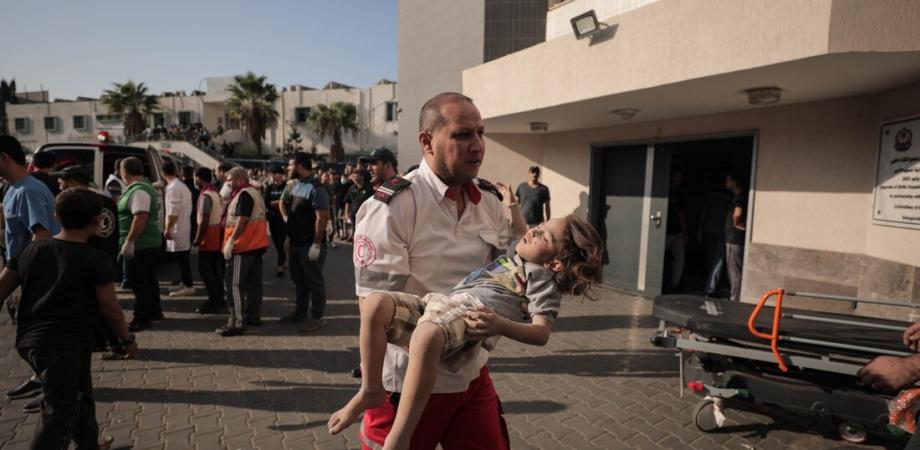
Six months after a ceasefire was declared, daily life in Gaza continues to be marked by relentless loss, with hundreds killed and thousands more injured in what residents describe as an unending genocidal war. Despite the formal halt in large-scale operations, violence has persisted across the territory, striking homes, shelters, and public spaces where displaced families had sought relative safety. Medical sources report that the wounded often arrive in overwhelming numbers, further straining a healthcare system already pushed beyond collapse.
Accounts from the ground suggest that no location offers genuine protection. In recent days alone, dozens have been killed, including individuals inside makeshift shelters, residential ruins, and even medical and educational facilities. Among the dead are humanitarian workers and journalists, underscoring the risks faced by those attempting to document events or provide aid. The growing number of such casualties has intensified concerns that the suffering of civilians is being compounded by the erosion of basic protections typically afforded in times of war.
Restrictions on humanitarian relief continue to deepen the crisis. Essential supplies, including food, medicine, and fuel, remain severely limited, while infrastructure damage has left vast areas without reliable access to water or electricity. For many families, survival has become a daily calculation shaped by scarcity and uncertainty, with displacement now a near-universal condition rather than an exception.
Calls for international accountability have grown louder, with increasing emphasis on the need for tangible measures to halt ongoing violations and enable reconstruction. Yet on the ground, there is little indication of meaningful change. The gap between diplomatic language and lived reality remains stark, as civilians continue to navigate a landscape defined not by ceasefire, but by sustained devastation.
Source : Safa News


